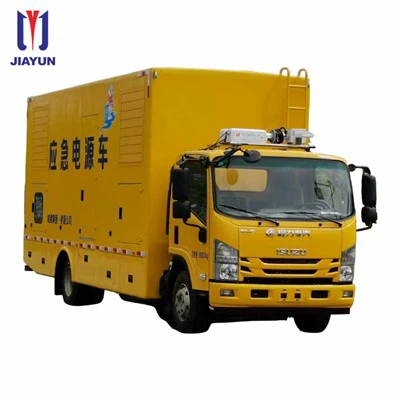


Forest fires pose a significant threat to our environment, biodiversity, and human lives. Firefighters, often relying on advanced forest fire trucks, play a crucial role in combating these wildfires. However, after successfully extinguishing a forest fire, one important aspect that often goes overlooked is the proper disposal of wastewater generated during the firefighting process. As a forest fire truck supplier, I have witnessed firsthand the challenges and solutions related to this issue. In this blog, I will discuss how forest fire trucks handle the disposal of wastewater after a fire.
The Generation of Wastewater in Forest Firefighting
When forest fire trucks are deployed to extinguish a fire, they use large amounts of water, sometimes in combination with fire - fighting foam. The water is sprayed onto the burning areas to cool the flames and prevent the fire from spreading. As the water comes into contact with the burning vegetation, soil, and other materials, it becomes contaminated. The contaminants can include ash, soot, chemicals from burning plastics and other man - made materials, and even heavy metals if there are industrial areas nearby. Fire - fighting foam, although effective in suppressing fires, can also introduce additional chemicals into the wastewater.
Challenges in Wastewater Disposal
Disposing of this wastewater is not a straightforward task. First of all, the volume of wastewater can be substantial, depending on the size of the fire and the duration of the firefighting operation. Second, the contaminated nature of the wastewater means that it cannot be simply released into the environment without proper treatment. Releasing untreated wastewater can have a negative impact on local water sources, soil quality, and wildlife. For example, chemicals in the wastewater can contaminate rivers, lakes, and groundwater, making them unfit for human consumption and harming aquatic life.
On - Truck Solutions for Temporary Storage
Many modern forest fire trucks are equipped with systems for temporary wastewater storage. These systems allow the trucks to collect the wastewater generated during the firefighting process on - site. For instance, some trucks have additional tanks that can be used to store the runoff water. This not only prevents the immediate release of contaminated water into the environment but also helps in transporting the wastewater to a proper treatment facility.
Our company offers a range of forest fire trucks with excellent wastewater storage capabilities. The Dongfeng Dolica 4WD 3.5T Water Tank/Foam Fire Truck is designed with a well - sized auxiliary tank that can store a significant amount of wastewater. Similarly, the Isuzu Pickup Forest Fire Truck has a compact yet efficient system for collecting and storing wastewater on its way back from the fire scene.
Transferring Wastewater to Treatment Facilities
Once the forest fire trucks return to the base or a designated area, the next step is to transfer the stored wastewater to a treatment facility. Large forest fire trucks, such as the Sanhuan 4WD 5.25T Forest Fire Truck and the Sanhuan 6T Water Tank/Foam Fire Truck, are often equipped with piping systems that can easily connect to larger treatment infrastructure. This allows for a seamless transfer of the wastewater for further processing.
For smaller fires or situations where the available trucks do not have large storage capacities, mobile treatment units can be used. These units can be set up near the fire site to treat the wastewater on - the - spot before it is released or transported. The Water Sprinkler Truck can also be used in some cases for transferring wastewater in smaller quantities to a more central treatment location.
Treatment Processes for Forest Fire Wastewater
The treatment of wastewater from forest fires typically involves several steps. First, physical separation is carried out to remove large particles such as ash and debris. This can be done through processes like sedimentation, where the heavier particles settle at the bottom of a tank, and filtration, which uses a porous material to trap the solid particles.


Next, chemical treatment is often required to neutralize the chemicals in the wastewater. This may involve adding chemicals to adjust the pH level and break down pollutants. For example, if the wastewater is acidic due to the presence of certain chemicals from burning materials, alkaline substances can be added to neutralize it.
Biological treatment can also be used to further purify the wastewater. Microorganisms are introduced to break down organic matter in the water. This process helps in reducing the biological oxygen demand (BOD) of the wastewater, making it less harmful to the environment when it is eventually released.
Regulatory Compliance
In addition to the technical challenges of wastewater disposal, forest fire trucks and their operators must also comply with relevant environmental regulations. These regulations vary from region to region but generally aim to protect water sources and the environment from pollution. Fire departments and forest fire truck operators need to ensure that the wastewater is treated to meet the required standards before it is released. Our forest fire trucks are designed with the ability to collect and transport wastewater in a way that facilitates compliance with these regulations.
The Role of Technology in Wastewater Management
Advances in technology are playing an increasingly important role in the management of wastewater from forest fires. For example, sensors can be installed on forest fire trucks to monitor the quality of the wastewater in real - time. This allows firefighters to make informed decisions about the appropriate treatment methods and disposal options. Additionally, new treatment technologies are being developed that are more efficient and environmentally friendly, reducing the overall impact of forest fire wastewater on the environment.
Conclusion
In conclusion, the proper disposal of wastewater after a forest fire is a complex but essential task. Forest fire trucks play a key role in this process, from collecting the wastewater on - site to transporting it to treatment facilities. As a forest fire truck supplier, we are committed to providing high - quality trucks that are equipped with the latest technology for wastewater management.
If you are in the market for a forest fire truck and interested in how our products can help with wastewater disposal and overall firefighting operations, we encourage you to reach out for a procurement discussion. We can provide more detailed information about our trucks, including their features, capabilities, and how they can meet your specific needs.
References
- Environmental Protection Agency (EPA). Guidelines for Firefighting Wastewater Management.
- Forest Fire Research Institute. Studies on the Impact of Firefighting Wastewater on Forest Ecosystems.
- Fire Equipment Manufacturer's Association. Standards for Wastewater Storage and Transfer in Fire Trucks.