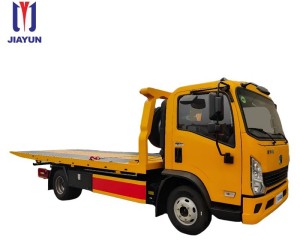

A wireline logging truck is a specialized oilfield vehicle designed to transport, deploy, and operate wireline equipment for well logging and intervention. It integrates a wireline winch, armored cable, hydraulic system, power supply, depth measurement system, and a logging cabin into one mobile unit.
During operations, the truck lowers logging tools into the wellbore to collect real-time geological and production data or perform mechanical services. Wireline logging trucks are widely used in oil exploration, well completion, production optimization, and well integrity evaluation.
Available in various chassis and configurations, modern wireline logging trucks can be customized for desert, mountain, arctic, and offshore support environments, helping oilfield service companies improve operational efficiency, safety, and equipment reliability.
1. How Much Do Wireline Operators Make in Texas?
Wireline operators in Texas typically earn between $50,000 and $90,000 per year, while experienced operators, field engineers, and supervisors may earn over $100,000 annually through overtime, bonuses, and remote-site assignments.
Salary depends on several factors:
- Experience and technical skills
- Employer and service company size
- Oilfield activity levels
- Rotation schedule
- Overtime opportunities
Because wireline operations often require extended work hours and travel to drilling locations, overtime pay can represent a significant portion of total annual income.
2. What Is the Purpose of Wireline?
The purpose of wireline is to deploy specialized downhole tools into oil and gas wells for data collection or well intervention without major drilling operations.
Typical wireline services include:
- Formation evaluation
- Cement bond logging (CBL)
- Casing inspection
- Production logging
- Perforating
- Pressure and temperature surveys
- Well integrity assessment
A wireline logging truck provides the power, cable control, depth measurement, and data acquisition systems required to perform these operations safely and efficiently.
3. Is Wireline Operator a Hard Job?
Yes. Working as a wireline operator is physically demanding and requires strong technical knowledge. Operators prepare equipment, rig up the wireline truck, handle heavy logging tools, monitor cable tension, and follow strict safety procedures throughout the job.
The work often involves long shifts, outdoor environments, and travel to remote well sites. However, it also offers valuable field experience and clear career progression. Many senior wireline engineers and field supervisors begin their careers as wireline operators.
4. What Training Is Required for Wireline Work?
Most companies provide both classroom instruction and hands-on field training before operators work independently.
Training commonly covers:
- Wireline equipment operation
- Logging truck systems
- Cable handling procedures
- Pressure control equipment
- Oilfield safety standards
- Emergency response
- Equipment maintenance
Many employers also require certifications such as H₂S Awareness, First Aid/CPR, and defensive driving. Continuous field experience is essential for developing the skills needed to operate a wireline logging truck safely and efficiently.
5. What Equipment Is Installed on a Wireline Logging Truck?
A standard wireline logging truck integrates all the essential equipment needed for wireline operations in one mobile platform.
Typical components include:
1.Wireline winch and cable drum 2.Armored or slickline cable 3.Hydraulic power unit 4.Logging cabin 5.Data acquisition system
6.Depth measurement system 7.Cable tension monitor 8.Generator 9.Tool storage compartments 10.Safety control system
Depending on customer requirements, manufacturers can also customize the truck with larger cable capacity, upgraded cabins, advanced communication systems, and specialized chassis for different operating environments.

6. What Is the Difference Between a Wireline Truck and a Slickline Truck?
Although both vehicles support well intervention, they are designed for different applications.
A wireline logging truck uses an electrical armored cable that transmits power and real-time data between downhole tools and surface equipment. It is commonly used for well logging, formation evaluation, casing inspection, production logging, and perforating.
A slickline truck uses a single-strand steel wire without electrical conductors. It is mainly used for mechanical operations such as setting plugs, retrieving tools, shifting sleeves, and deploying valves.
Choosing the right vehicle depends on whether the operation requires real-time downhole data or mechanical intervention only.
A wireline logging truck is an essential piece of equipment for modern oilfield operations. By integrating cable deployment, hydraulic power, data acquisition, and operator controls into one mobile unit, it enables efficient well logging and intervention while improving safety and reducing operational downtime.
Whether supporting exploration, production, or well maintenance, selecting a reliable and properly configured wireline logging truck helps oilfield service companies increase productivity and adapt to a wide range of operating conditions.