

Hey there, fellow fish enthusiasts and aquaculture pros! I'm a supplier of Feed Additives for Fish, and today, I want to dig into a super important topic: Are there any feed additives for fish to enhance stress resistance?
The Big Deal About Fish Stress
Let's face it, fish face stressors just like we do. From changes in water temperature and quality to overcrowding in fish farms, these stress factors can take a toll on their health. When fish are stressed, their immune systems get weaker, making them more susceptible to diseases. And that's bad news for fish farmers because it can lead to lower growth rates, higher mortality, and overall reduced profitability.
So, what can we do to help our finned friends deal with stress better? Well, that's where feed additives come in.
Types of Feed Additives for Stress Resistance
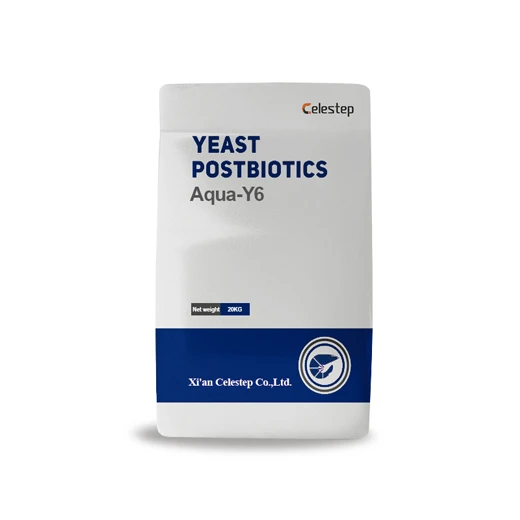
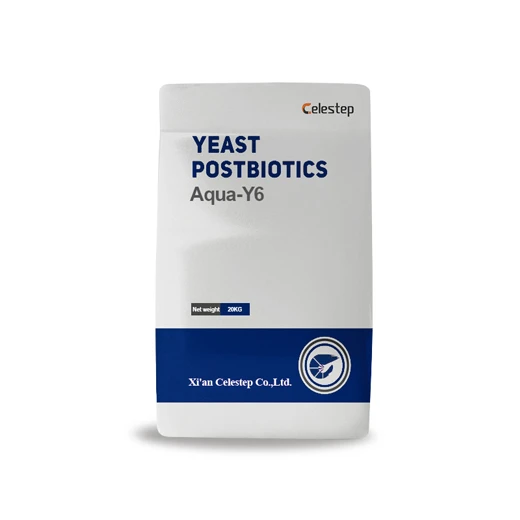
Yeast Hydrolysate Supplement
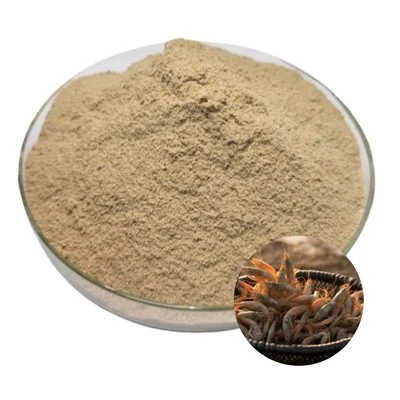
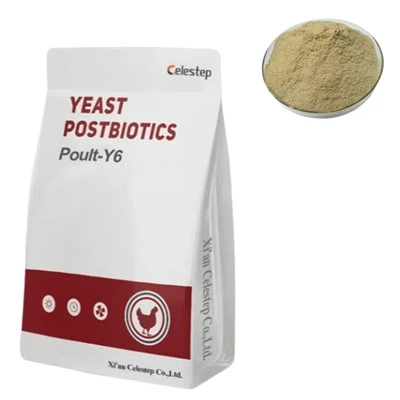
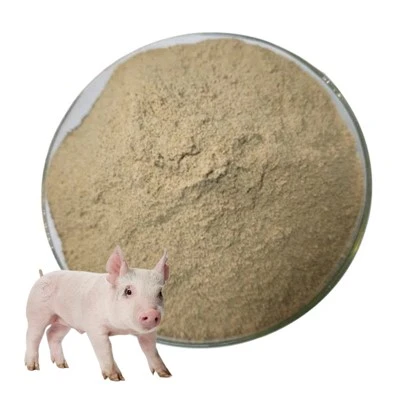
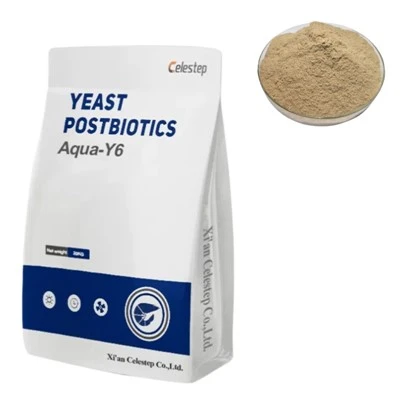
One of the top contenders in the world of fish feed additives is the Yeast Hydrolysate Supplement. Yeast hydrolysate is basically yeast that has been broken down into its smaller components. It's packed with essential amino acids, vitamins, minerals, and nucleotides.
Amino acids are the building blocks of proteins, which are crucial for fish growth and repair. When fish are stressed, their bodies need more of these amino acids to maintain normal physiological functions. The vitamins and minerals in yeast hydrolysate also play a vital role in boosting the immune system. For example, vitamin C is a powerful antioxidant that can help reduce oxidative stress caused by environmental factors.
Nucleotides, on the other hand, are important for cell repair and replication. They can enhance the immune response of fish, making them more resistant to diseases. In fact, studies have shown that adding yeast hydrolysate to fish feed can improve their survival rates, especially in stressful conditions like high stocking densities or poor water quality.
Probiotics
Probiotics are another great option for enhancing fish stress resistance. These are live microorganisms that, when administered in adequate amounts, confer a health benefit on the host. In the case of fish, probiotics can help maintain a healthy gut microbiota.
A healthy gut is essential for proper digestion and nutrient absorption. When fish are stressed, the balance of their gut microbiota can be disrupted, leading to digestive problems and a weakened immune system. Probiotics can help restore this balance by competing with harmful bacteria for space and nutrients in the gut.
Some common probiotics used in fish feed include Lactobacillus and Bacillus species. These bacteria can produce antimicrobial substances that inhibit the growth of pathogens. They can also stimulate the production of mucus in the gut, which acts as a physical barrier against harmful bacteria.
Omega-3 Fatty Acids
Omega-3 fatty acids, such as eicosapentaenoic acid (EPA) and docosahexaenoic acid (DHA), are well-known for their health benefits in humans. They're also great for fish! These fatty acids are important for maintaining the integrity of cell membranes in fish.
When fish are exposed to stressors like cold water or pollutants, the fluidity of their cell membranes can be affected. Omega-3 fatty acids can help maintain the proper fluidity of these membranes, ensuring that cells can function normally. They also have anti-inflammatory properties, which can help reduce the inflammation caused by stress.
Fish oil is a rich source of omega-3 fatty acids. Adding fish oil to fish feed can improve their growth performance, immune function, and stress resistance. However, it's important to note that fish oil can be prone to oxidation, so proper storage and handling are crucial.
How Do These Additives Work?
You might be wondering how these feed additives actually enhance fish stress resistance. Well, it all boils down to their effects on the fish's physiological and biochemical processes.
For example, yeast hydrolysate provides the necessary nutrients for the fish's body to produce stress-related proteins and enzymes. These proteins and enzymes help the fish adapt to stressful conditions. Probiotics, on the other hand, modulate the immune system by interacting with the fish's immune cells in the gut. They can stimulate the production of cytokines, which are signaling molecules that play a key role in the immune response.
Omega-3 fatty acids are incorporated into the cell membranes of fish. This changes the structure and function of the membranes, making them more resistant to damage caused by stress. They also affect the production of eicosanoids, which are lipid mediators involved in inflammation and immune regulation.
Real-World Applications
In the aquaculture industry, the use of feed additives for stress resistance is becoming more and more common. Fish farmers are always looking for ways to improve the health and performance of their fish, and these additives offer a practical solution.
For example, in salmon farming, where fish are often reared in large net pens in the ocean, stressors like sea lice infestations and changes in water temperature can be a major problem. By adding yeast hydrolysate, probiotics, or omega-3 fatty acids to the feed, farmers can help their salmon better withstand these stressors. This can lead to higher survival rates, faster growth, and better-quality fish.
In shrimp farming, which is also a major aquaculture sector, feed additives can help shrimp cope with stressors like high ammonia levels in the water. Shrimp are particularly sensitive to changes in water quality, and stress can make them more susceptible to diseases like white spot syndrome. Using feed additives can improve the shrimp's immune system and overall stress resistance, reducing the risk of disease outbreaks.
Conclusion
So, to answer the question, yes, there are definitely feed additives for fish to enhance stress resistance. Yeast hydrolysate, probiotics, and omega-3 fatty acids are just a few examples of the many additives available on the market. These additives can have a significant impact on the health and performance of fish, especially in stressful aquaculture environments.
If you're a fish farmer or involved in the aquaculture industry, I encourage you to consider using these feed additives. They can help you improve the well-being of your fish, increase your yields, and ultimately, boost your profitability. And if you're looking for high-quality Feed Additives for Fish, I'm here to help. Feel free to reach out to me to discuss your specific needs and how we can work together to enhance the stress resistance of your fish.
Let's give our fish the best chance to thrive in a sometimes challenging world!
References
- Ai, Q. H., et al. (2007). Effects of dietary nucleotides on growth performance, feed utilization, digestive enzyme activities, and body composition of juvenile Jian carp (Cyprinus carpio var. Jian). Aquaculture, 262(1-4), 109-116.
- Merrifield, D. L., et al. (2010). Probiotics in aquaculture: the need, principles and mechanisms of action and screening processes. Aquaculture Research, 41(1), 136-158.
- Sargent, J. R., et al. (2002). The importance of eicosapentaenoic acid and docosahexaenoic acid in human health and nutrition. Lipids, 37(9), 849-859.