
As a supplier of Swine Feed Supplements, I've often been asked about the regulations governing these products. In this blog, I'll delve into the various regulations that exist for swine feed supplements, providing you with a comprehensive understanding of what it takes to ensure the safety and efficacy of these essential products.
Understanding Swine Feed Supplements
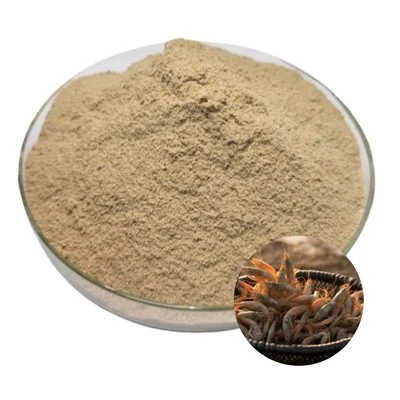
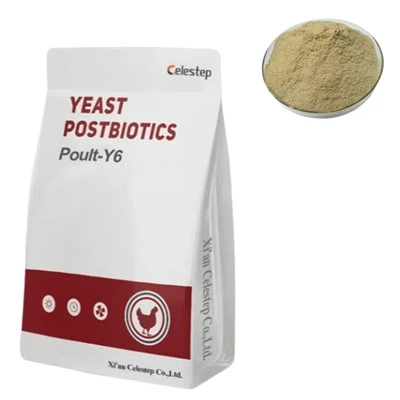
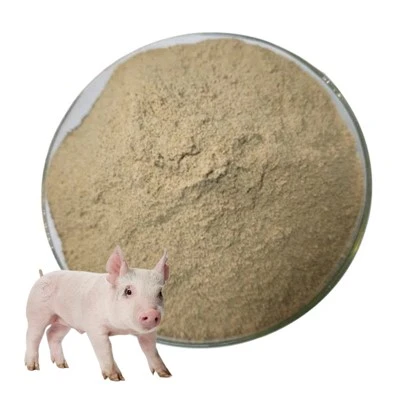
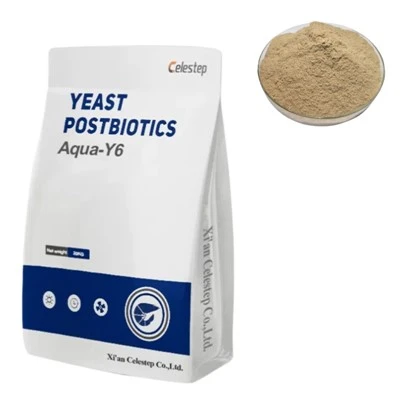
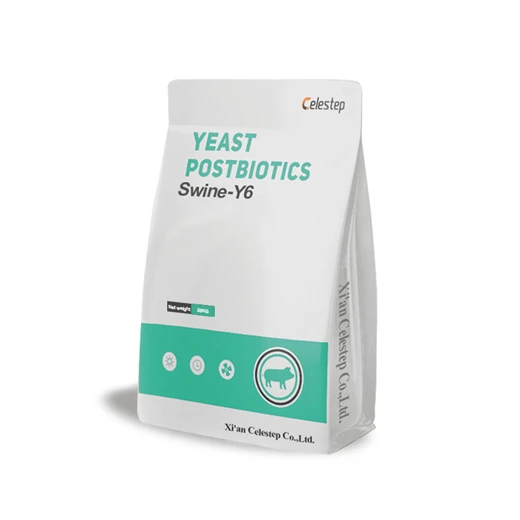
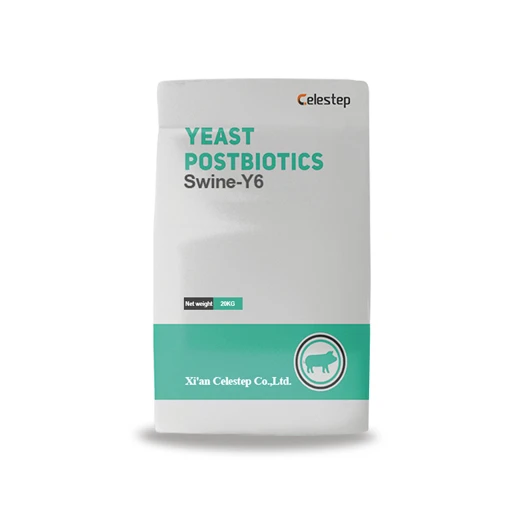
Before we jump into the regulations, let's first clarify what swine feed supplements are. Swine Feed Supplements are additives that are incorporated into the diet of pigs to enhance their nutrition, health, and growth performance. These supplements can include vitamins, minerals, amino acids, probiotics, prebiotics, enzymes, and other substances. They play a crucial role in meeting the specific nutritional requirements of pigs at different stages of their life cycle, from piglets to finishing hogs.
Swine Feed Supplements are available in various forms, such as powders, liquids, and premixes, and can be added to the regular feed ration or administered separately. They are designed to address specific nutritional deficiencies, improve feed efficiency, enhance immune function, and promote overall well - being in pigs. For more information on the different types of Swine Feed Supplements, you can visit Swine Feed Supplements.
Regulatory Bodies and Their Roles
In the United States, the Food and Drug Administration (FDA) is the primary regulatory body responsible for overseeing the safety and effectiveness of swine feed supplements. The FDA's Center for Veterinary Medicine (CVM) specifically focuses on animal drugs, feeds, and related products. The CVM ensures that all feed additives, including those for swine, are safe for animals, humans (through the consumption of pork products), and the environment.
Another important regulatory entity is the Association of American Feed Control Officials (AAFCO). AAFCO is a non - profit organization composed of state feed control officials. It develops model regulations and definitions for animal feeds and ingredients. While AAFCO's standards are not federal laws, many states adopt them as part of their own feed regulations. This creates a relatively uniform regulatory environment across the country.
Types of Regulations for Swine Feed Supplements
Safety Regulations
Safety is the top priority when it comes to swine feed supplements. The FDA has strict requirements for the approval of new feed additives. Manufacturers must conduct extensive safety studies to demonstrate that the supplement does not pose a risk to the health of pigs, humans consuming pork products, or the environment.
For example, if a new probiotic is being developed as a swine feed supplement, the manufacturer must show that it does not contain harmful pathogens, does not produce toxins, and does not have any adverse effects on the pig's digestive system or overall health. The supplement must also be tested to ensure that it does not leave any residues in pork that could be harmful to human consumers.
Efficacy Regulations
In addition to safety, swine feed supplements must also be proven to be effective. Manufacturers are required to provide scientific evidence that the supplement achieves the claimed benefits, such as improved growth rate, better feed conversion, or enhanced immune function.
This evidence typically comes from well - designed, controlled studies conducted on pigs. These studies compare the performance of pigs fed with the supplement to those fed without it. The results must be statistically significant and reproducible. For instance, if a supplement claims to increase the average daily gain of pigs, the manufacturer must present data from multiple trials showing a consistent improvement in growth rate.
Labeling Regulations
Accurate and informative labeling is a crucial part of the regulations for swine feed supplements. The label must include the name and address of the manufacturer, the product name, a list of ingredients, directions for use, warnings, and any claims about the product's benefits.
The ingredient list must be detailed, with each ingredient identified by its common or proper name. This allows farmers and other end - users to know exactly what they are feeding their pigs. The directions for use must be clear and specific, including the recommended dosage, frequency of administration, and any special instructions. Warnings are also required to alert users to potential hazards, such as allergic reactions or interactions with other medications.
International Regulations
While the focus here has been on US regulations, it's important to note that different countries have their own regulatory frameworks for swine feed supplements. In the European Union, for example, the European Food Safety Authority (EFSA) plays a key role in evaluating the safety and efficacy of feed additives. The EU has strict regulations regarding the use of antibiotics and other substances in animal feed to prevent the development of antibiotic - resistant bacteria.
In Asia, countries like China and Japan also have their own regulatory systems. These systems often take into account local agricultural practices, pig breeds, and consumer preferences. As a global supplier of Swine Feed Supplements, we must be well - versed in these international regulations to ensure that our products can be sold in different markets. For more information on international regulations and our range of Hog Feed Supplements suitable for different regions, visit Hog Feed Supplements.
Challenges in Complying with Regulations
Complying with the regulations for swine feed supplements can be a complex and costly process for manufacturers. Conducting the necessary safety and efficacy studies requires significant resources, including time, money, and expertise. Additionally, regulatory requirements can change over time, which means that manufacturers must stay up - to - date and be prepared to adapt their products and processes accordingly.
Another challenge is the need to balance regulatory compliance with innovation. As new scientific discoveries are made, there is a constant push to develop new and improved swine feed supplements. However, bringing these new products to market can be difficult due to the strict regulatory requirements.
Benefits of Regulatory Compliance
Despite the challenges, regulatory compliance offers several benefits. For consumers, it provides assurance that the swine feed supplements they are using are safe and effective. This helps to protect the health of pigs and, ultimately, the quality of pork products.
For manufacturers, compliance can enhance their reputation and credibility in the market. It also allows them to access a wider range of customers, both domestically and internationally. By adhering to strict regulations, manufacturers can demonstrate their commitment to producing high - quality products.
Contact for Procurement
If you're interested in learning more about our Swine Feed Supplements or are looking to make a purchase, we'd love to hear from you. Our team of experts can provide you with detailed information about our products, their compliance with regulations, and how they can benefit your swine operation. Whether you're a small - scale farmer or a large - scale commercial producer, we have the right solutions for you. Contact us today to start a procurement discussion and take your swine nutrition to the next level.
References
- Food and Drug Administration. (n.d.). Center for Veterinary Medicine. Retrieved from fda.gov
- Association of American Feed Control Officials. (n.d.). Model Feed Laws and Regulations. Retrieved from aafco.org
- European Food Safety Authority. (n.d.). Feed Additives. Retrieved from efsa.europa.eu