

As a seasoned supplier of low-voltage power supply vehicles, I've witnessed firsthand the importance of monitoring the operation status of these crucial assets. Whether deployed in emergency situations, construction sites, or remote locations, low-voltage power supply vehicles play a vital role in ensuring a stable power supply. In this blog, I'll share some effective methods and strategies to help you monitor the operation status of low-voltage power supply vehicles, drawing on my years of experience in the industry.
Understanding the Basics of Low-Voltage Power Supply Vehicles
Before delving into monitoring techniques, it's essential to have a basic understanding of low-voltage power supply vehicles. These vehicles are equipped with power generation systems, usually diesel generators, and are designed to provide a stable low-voltage power output, typically ranging from 220V to 400V. They are often used in situations where a reliable power source is not readily available, such as during power outages, in construction sites, or for outdoor events.
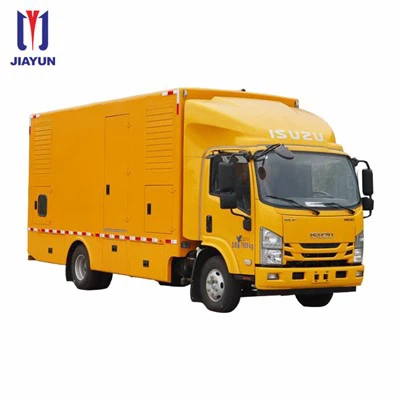
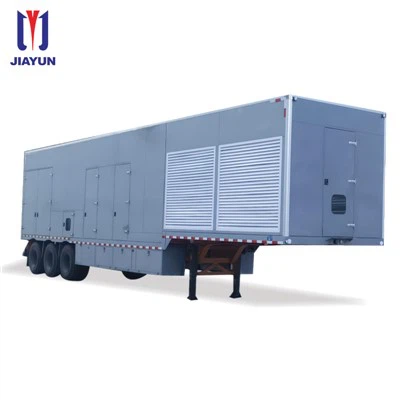
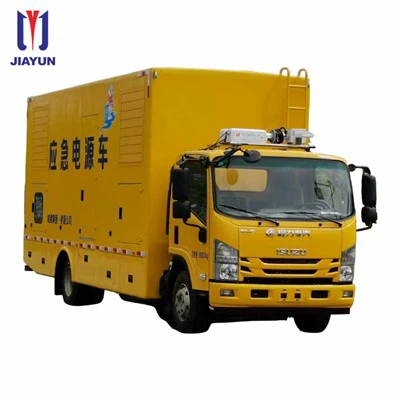
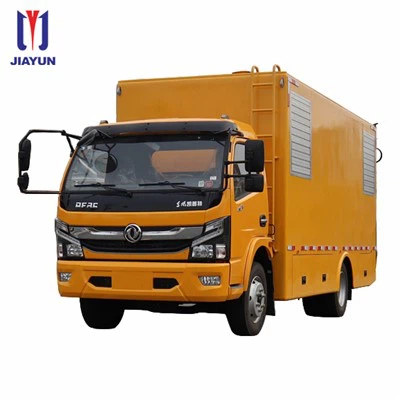
We offer a wide range of low-voltage power supply vehicles, including the Isuzu 700P Power Supply Vehicle, JMC Low-Voltage Power Supply Vehicle, Dongfeng Tianjin Power Supply Vehicle, Isuzu KV600 Power Supply Vehicle, and Sinotruk Howo Power Supply Vehicle. These vehicles are built with high-quality components and advanced technology to ensure reliable performance and long service life.


Key Parameters for Monitoring
To effectively monitor the operation status of a low-voltage power supply vehicle, you need to focus on several key parameters. These parameters provide valuable insights into the vehicle's performance and can help you detect potential issues before they escalate into major problems.
1. Power Output
The power output of the vehicle is one of the most important parameters to monitor. It indicates the amount of electrical power the vehicle is generating and supplying to the load. Monitoring the power output allows you to ensure that the vehicle is operating within its rated capacity and that the load is being properly powered. You can use a power meter or a digital multimeter to measure the power output.
2. Voltage and Frequency
The voltage and frequency of the electrical output are also critical parameters. The voltage should be maintained within a narrow range to ensure the proper operation of the electrical equipment connected to the power supply vehicle. Similarly, the frequency should be stable, typically at 50Hz or 60Hz, depending on the region. You can use a voltage regulator and a frequency meter to monitor and adjust these parameters.
3. Engine Temperature and Oil Pressure
The engine is the heart of the power supply vehicle, and monitoring its temperature and oil pressure is essential for its reliable operation. High engine temperature can lead to engine damage, while low oil pressure can cause excessive wear and tear. You can use an engine temperature gauge and an oil pressure gauge to monitor these parameters.
4. Fuel Level
Monitoring the fuel level is crucial to ensure that the power supply vehicle has enough fuel to operate continuously. Running out of fuel can cause the engine to stop, resulting in a power outage. You can use a fuel gauge to monitor the fuel level and plan refueling accordingly.
5. Battery Voltage
The battery is used to start the engine and power the electrical systems of the vehicle when the engine is not running. Monitoring the battery voltage can help you ensure that the battery is in good condition and fully charged. You can use a battery charger and a voltmeter to maintain the battery voltage at the recommended level.
Monitoring Methods
There are several methods you can use to monitor the operation status of a low-voltage power supply vehicle. These methods can be classified into manual monitoring and automated monitoring.
Manual Monitoring
Manual monitoring involves physically checking the parameters using gauges, meters, and other monitoring devices. This method is simple and cost-effective, but it requires regular inspections and can be time-consuming. To perform manual monitoring, you need to follow a regular inspection schedule and record the readings of the monitoring devices.
Automated Monitoring
Automated monitoring uses sensors, data loggers, and remote monitoring systems to collect and analyze data on the operation status of the power supply vehicle. This method is more accurate and efficient than manual monitoring and allows you to monitor the vehicle in real-time from a remote location. You can receive alerts and notifications when there are any abnormal readings or potential issues.
Implementing a Monitoring System
To implement a monitoring system for your low-voltage power supply vehicle, you need to follow these steps:
1. Identify the Monitoring Requirements
Determine which parameters you need to monitor and the frequency of monitoring. Consider the specific needs of your application and the environment in which the vehicle will be operating.
2. Select the Monitoring Devices
Choose the appropriate monitoring devices based on your monitoring requirements. There are a wide range of sensors, meters, and data loggers available in the market. Make sure to select devices that are reliable, accurate, and easy to install and use.
3. Install the Monitoring Devices
Install the monitoring devices in the appropriate locations on the power supply vehicle. Follow the manufacturer's instructions carefully to ensure proper installation and calibration.
4. Connect the Monitoring Devices to a Data Logger or Remote Monitoring System
Connect the monitoring devices to a data logger or a remote monitoring system to collect and store the data. Make sure to establish a secure and reliable communication link between the monitoring devices and the data logger or remote monitoring system.
5. Set Up Alerts and Notifications
Configure the data logger or remote monitoring system to send alerts and notifications when there are any abnormal readings or potential issues. Choose the appropriate notification methods, such as email, SMS, or push notifications, based on your preferences.
6. Analyze the Data
Regularly analyze the data collected by the monitoring system to identify trends and patterns. Use the data to make informed decisions about maintenance, servicing, and operation of the power supply vehicle.
Conclusion
Monitoring the operation status of a low-voltage power supply vehicle is essential for ensuring its reliable performance and longevity. By focusing on key parameters, using appropriate monitoring methods, and implementing a comprehensive monitoring system, you can detect potential issues early and take proactive measures to prevent breakdowns and outages.
As a leading supplier of low-voltage power supply vehicles, we are committed to providing our customers with high-quality products and professional support. If you are interested in purchasing a low-voltage power supply vehicle or need more information about monitoring the operation status of these vehicles, please feel free to contact us for further discussion and procurement negotiation.