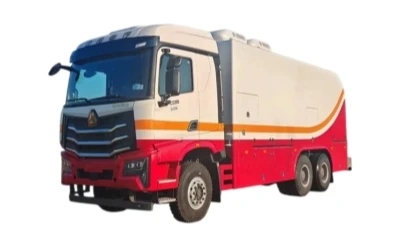

Selecting the right wire and drum configuration is essential for reliable slickline operations. When evaluating a Truck Mounted Slickline Unit, factors such as drum capacity, wire diameter, operating tension, and well depth need to be considered together. The right combination helps ensure that the winch system meets the requirements of different well intervention jobs while maintaining proper wire handling performance.
How Does Well Depth Affect Slickline Drum Capacity?
Well depth is one of the first factors to consider when determining the required drum capacity. The available wire length must cover the planned running depth while allowing sufficient additional length for surface connections, operational adjustments, and the actual wire path through the equipment.
However, selecting a drum based only on the deepest well in a project may not always be the most practical approach. Service companies should also consider the range of well depths covered by their contracts and the types of intervention jobs performed regularly.
Drum capacity is also influenced by wire diameter. A larger-diameter wire occupies more space on the drum, meaning that the same drum cannot necessarily accommodate the same length of wire when a different wire size is used.
For this reason, the stated drum capacity should always be evaluated together with the specified wire diameter rather than treated as an independent figure.
What Should Be Considered When Selecting Slickline Wire?
Wire selection depends on the mechanical and operational requirements of the intended job.
Several factors deserve attention:
- Wire diameter: The selected diameter must be compatible with the winch drum, measuring system, sheaves, and other wire-contact components.
- Wire strength: The wire must have suitable mechanical properties for the expected operating loads.
- Well conditions: Temperature, well fluids, corrosion exposure, and operating pressure can influence wire selection and service life.
- Toolstring requirements: The weight and configuration of the downhole tools affect the loading conditions during running and retrieval.
- Operating frequency: Repeated intervention jobs may place different demands on wire durability and maintenance planning.
Wire condition is equally important. Kinks, surface damage, corrosion, and irregular spooling can affect operating reliability. Regular inspection and proper handling help identify potential problems before the next deployment.
How Do Drum Capacity and Winch Performance Work Together?
Drum capacity alone does not determine whether a slickline unit is suitable for a particular operation. Winch tension, line speed, depth measurement, and control performance also need to match the intended application.
For example, a unit with sufficient wire capacity may still be unsuitable if its operating range does not meet the requirements of the planned toolstring or well intervention program.
The depth measurement system is another important consideration. Accurate depth information supports tool positioning and helps operators monitor the progress of running and retrieval operations.
Wire spooling quality should also be considered. Consistent wire arrangement helps reduce uneven loading and unnecessary wear during repeated operations.
When comparing equipment, buyers should review the complete winch configuration, including drum capacity, compatible wire diameter, maximum tension, speed range, and measurement arrangements.
Choosing a Truck Mounted Slickline Unit for Field Operations
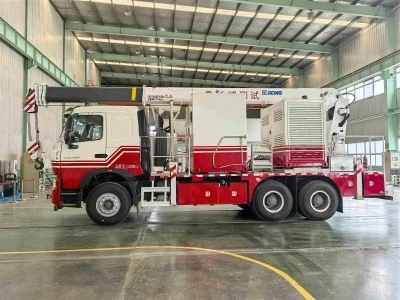
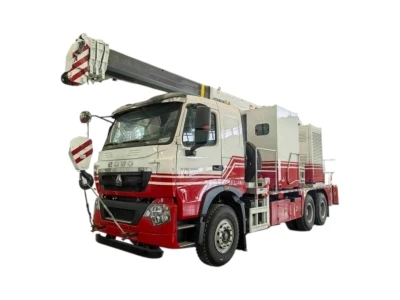
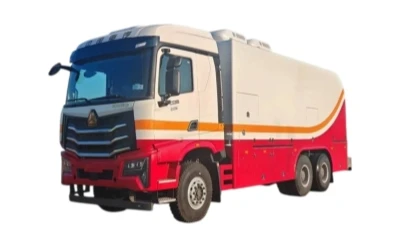
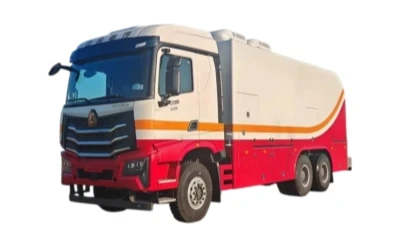
A truck mounted system combines the slickline winch, supporting equipment, and vehicle platform into one mobile unit. This arrangement is useful for service companies that need to move between wellsites and perform different intervention jobs.
Jiayun's Truck Mounted Slickline Unit features a winch drum designed for 0.16-inch steel wire with a stated capacity of 25,000 ft. Its published specifications also include a maximum drum tension of 4,400 lbs and a steel wire speed range of 120–20,000 m/h.
These figures provide a starting point for evaluating equipment compatibility, but the final configuration should always be matched to the actual well conditions and service requirements.
For more information about the Truck Mounted Slickline Unit, visit the product page or contact Jiayun Truck at wanghaile@jiayuntruck.com.