

As a supplier of Jiangling single - row rescue vehicles, I often receive inquiries from various customers about the versatility and applicability of our vehicles. One question that keeps coming up is: Can Jiangling single - row rescue vehicle be used for chemical leakage rescue? In this blog post, I'll delve into the details to provide a comprehensive answer.
Firstly, let's understand the nature of chemical leakage rescue. Chemical leakage incidents are highly dangerous and complex situations. They involve a variety of hazardous chemicals, such as toxic gases, flammable liquids, and corrosive substances. When a chemical leak occurs, immediate and effective action is required to prevent further spreading of the chemicals, protect the environment, and ensure the safety of the public and emergency responders.


The effectiveness of a rescue vehicle for chemical leakage mainly depends on several key factors, including the vehicle's design, equipment - loading capacity, and adaptability to different chemical environments.
Vehicle Design
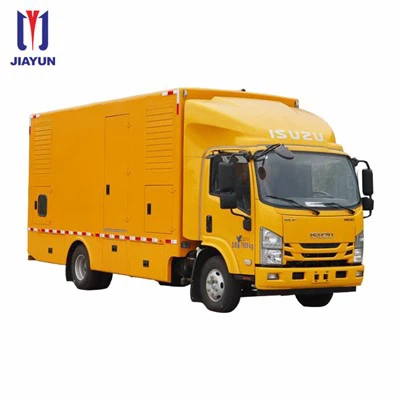
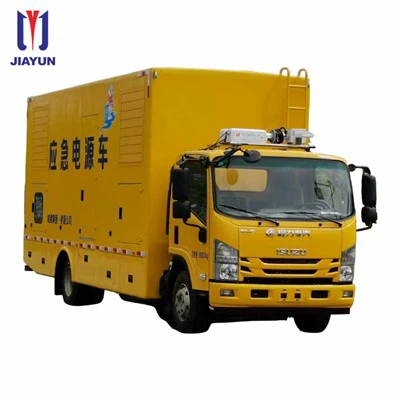
Jiangling single - row rescue vehicles have a well - thought - out design. The single - row structure maximizes the cargo area space, which is crucial for carrying a wide range of rescue equipment. A larger cargo area allows for the storage of protective gear, such as chemical - resistant suits, respiratory protection devices, and safety goggles. These are essential for the safety of the rescue team when dealing with toxic or corrosive chemicals.
The vehicle's chassis is also designed to be stable and reliable. It can handle heavy loads and is suitable for various road conditions, even in emergency situations where quick response requires traveling on rough terrains near chemical plants or industrial areas. For example, if a chemical leakage occurs in a rural area with unpaved roads, the Jiangling single - row rescue vehicle can still reach the scene in a timely manner.
Equipment - Loading Capacity
One of the significant advantages of our Jiangling single - row rescue vehicles is their high equipment - loading capacity. There is ample space to mount and transport specialized equipment for chemical leakage rescue.
We can install spill - control kits, which include absorbent materials like activated carbon, vermiculite, and spill pillows. These materials can quickly absorb spilled chemicals and prevent them from spreading further. Additionally, our vehicles can carry decontamination equipment, such as high - pressure washers and decontamination agents, which are used to clean up the affected area and the exposed equipment and personnel.
The vehicles can also be outfitted with monitoring devices. These devices can detect the concentration of hazardous chemicals in the air and on the ground, providing real - time data to the rescue team. This information is crucial for making informed decisions about the rescue operation, such as determining the extent of the contamination and the appropriate safety measures.
Adaptability to Chemical Environments
Jiangling single - row rescue vehicles are built to withstand the harsh conditions associated with chemical leakage incidents. The body of the vehicle can be treated with anti - corrosion coatings to prevent damage from long - term exposure to corrosive chemicals. The electrical systems are also designed to be explosion - proof, reducing the risk of ignition in case of a flammable chemical leak.
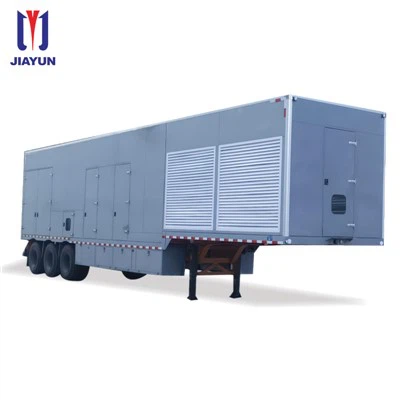
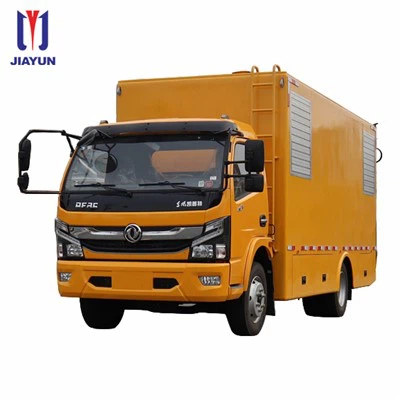
In comparison with other types of vehicles in the market, the Jiangling single - row rescue vehicle offers a unique combination of features. For instance, if we consider the Dongfeng Equipment Vehicle, while it is also a reliable option for various rescue operations, the single - row design of our Jiangling vehicle provides more dedicated space for chemical - related equipment. The Mobile Power Supply Truck mainly focuses on providing power in emergency situations, but may lack the flexibility and special equipment - carrying capacity for chemical leakage rescue. And the Foton Refrigerated Truck is mainly designed for transporting perishable goods, not for handling chemical spills.
However, it's important to note that using a Jiangling single - row rescue vehicle for chemical leakage rescue is not a one - size - fits - all solution. The vehicle needs to be properly customized and equipped according to the specific types of chemicals involved in the leakage. For different chemicals, such as acidic or alkaline substances, special storage and handling procedures are required. Therefore, when choosing our vehicle for chemical leakage rescue, we work closely with our customers to understand their specific needs and provide tailored solutions.
We offer a range of customization options. For example, we can install different types of ventilation systems based on the nature of the chemicals. For highly volatile and toxic gases, a high - efficiency ventilation system can be installed to maintain a safe environment inside the vehicle and at the rescue scene. We can also customize the interior layout of the vehicle to optimize the storage and accessibility of the equipment.
In conclusion, Jiangling single - row rescue vehicles can indeed be used for chemical leakage rescue. Their design, equipment - loading capacity, and adaptability to chemical environments make them a suitable choice for such challenging operations. However, proper customization and equipment selection are key to ensuring the effectiveness of the vehicle in different chemical leakage scenarios.
If you are in the market for a reliable rescue vehicle for chemical leakage or other emergency operations, I encourage you to engage with us. We have a team of experts ready to discuss your specific requirements and provide you with the best solutions. Our goal is to assist you in achieving efficient and safe rescue operations. Don't hesitate to start a conversation with us about your procurement needs, and let's work together to handle any chemical leakage incident effectively.
References
- "Emergency Response to Chemical Spills", Hazardous Materials Management Handbook
- "Vehicle Design for Emergency Rescue Operations", Journal of Rescue Engineering