

Hey there! If you're in the market for a low-voltage power supply vehicle, you've come to the right place. I'm a supplier of these awesome vehicles, and I'm here to share some tips on how to optimize their operation parameters. Let's dive right in!
Understanding the Basics
First off, let's talk about what a low-voltage power supply vehicle actually is. It's a specialized truck equipped with a power generation system that can provide electrical power at low voltages. These vehicles are super useful in a variety of situations, like emergency power backup during outages, powering construction sites, or even for outdoor events.
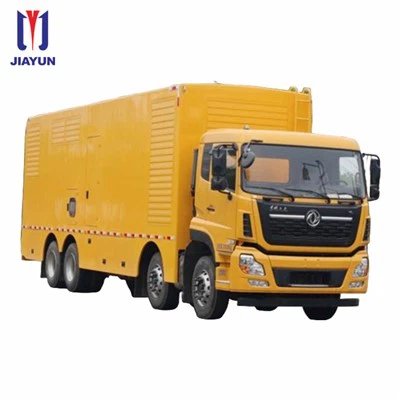
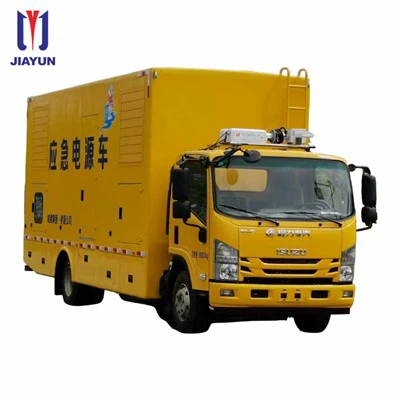
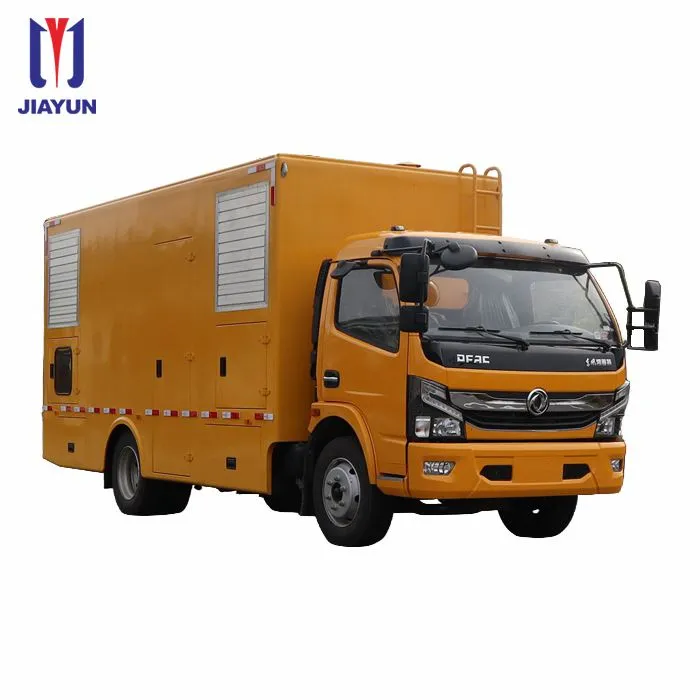
We offer a range of different models, including the Dongfeng Tianlong Power Supply Vehicle, Dongfeng Dolica D7 Power Supply Vehicle, JMC Low-Voltage Power Supply Vehicle, Dongfeng Tianjin Power Supply Vehicle, and Isuzu KV600 Power Supply Vehicle. Each model has its own unique features and capabilities, so you can choose the one that best suits your needs.
Key Operation Parameters to Optimize
Voltage Output
The voltage output is one of the most important parameters to get right. You want to make sure that the vehicle is providing a stable and consistent voltage to your equipment. Most low-voltage power supply vehicles offer adjustable voltage settings, so you can set it to match the requirements of your load.
To optimize the voltage output, start by checking the specifications of your equipment. Make sure the vehicle's voltage rating falls within the acceptable range. Then, use a voltage meter to monitor the output and make any necessary adjustments. Regularly checking and adjusting the voltage can help prevent damage to your equipment and ensure efficient operation.
Frequency
The frequency of the electrical power is another crucial parameter. In most cases, the standard frequency is 50Hz or 60Hz, depending on your location. Just like with voltage, it's essential to keep the frequency stable.
Fluctuations in frequency can cause problems for sensitive equipment, such as computers and electronics. To maintain a stable frequency, ensure that the engine of the power supply vehicle is running at the correct speed. Most vehicles have a governor system that helps regulate the engine speed and, in turn, the frequency. Regular maintenance of the engine and governor system is key to keeping the frequency in check.
Load Capacity
Knowing the load capacity of your low-voltage power supply vehicle is vital. Overloading the vehicle can lead to overheating, reduced efficiency, and even damage to the power generation system.
Before connecting your equipment, calculate the total power consumption of all the devices you plan to use. Make sure the total load does not exceed the vehicle's rated capacity. If you need to power multiple high-power devices, you may need to prioritize or consider using multiple power supply vehicles.

Fuel Efficiency
Fuel is one of the major operating costs for a power supply vehicle. Optimizing fuel efficiency can save you a lot of money in the long run.
To improve fuel efficiency, keep the engine properly tuned. Regular oil changes, air filter replacements, and spark plug checks can all help the engine run more efficiently. Also, avoid idling the vehicle for long periods. If you're not using the power, turn off the engine to save fuel.
Maintenance and Monitoring
Regular maintenance is essential for optimizing the operation parameters of your low-voltage power supply vehicle. Here are some maintenance tasks you should perform regularly:
- Engine Maintenance: As mentioned earlier, keep the engine in good condition. This includes changing the oil, filters, and spark plugs at the recommended intervals. Check the engine coolant level and make sure it's at the proper level.
- Battery Maintenance: The battery is an important part of the power supply vehicle. Check the battery terminals for corrosion and clean them if necessary. Make sure the battery is fully charged, especially if the vehicle has been sitting idle for a while.
- Electrical System Check: Inspect the electrical wiring and connections for any signs of damage or wear. Loose connections can cause voltage drops and other issues. Tighten any loose connections and replace any damaged wiring.
In addition to regular maintenance, it's also a good idea to monitor the operation parameters of the vehicle continuously. Many modern power supply vehicles come with built-in monitoring systems that can display real-time data on voltage, frequency, load, and other important parameters. You can use this data to detect any potential problems early and take corrective action.
Training for Operators
Proper training for the operators of the low-voltage power supply vehicle is crucial. Operators should be familiar with the vehicle's controls, safety procedures, and maintenance requirements.
We offer training programs for our customers to ensure that their operators are well-trained. During the training, operators learn how to start and stop the vehicle, adjust the operation parameters, and perform basic maintenance tasks. They also learn about the safety features of the vehicle and how to handle emergency situations.
By having well-trained operators, you can ensure that the vehicle is operated safely and efficiently, and the operation parameters are optimized.
Conclusion
Optimizing the operation parameters of a low-voltage power supply vehicle is essential for ensuring its reliability, efficiency, and longevity. By paying attention to key parameters like voltage output, frequency, load capacity, and fuel efficiency, and by performing regular maintenance and monitoring, you can get the most out of your vehicle.
If you're interested in purchasing a low-voltage power supply vehicle or have any questions about optimizing its operation, feel free to reach out. We're here to help you find the right solution for your needs.
References
- Electrical Power Systems Handbook, McGraw-Hill
- Power Generation Technologies: Principles, Applications, and Technologies, John Wiley & Sons