
Hey there! If you're in the oil and gas industry or any field that requires well intervention operations, you've probably heard of slickline units. As a slickline unit supplier, I get a lot of questions about the learning curve for operating these nifty pieces of equipment. So, let's dive right in and break it down.
Understanding the Basics of a Slickline Unit
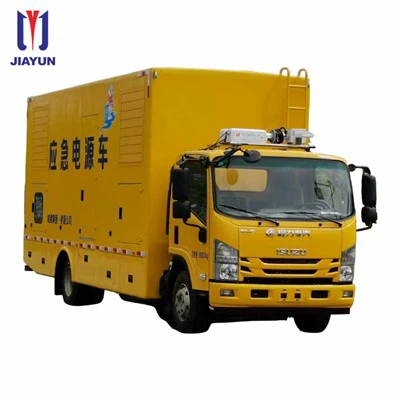
First things first, let's talk about what a slickline unit actually is. A slickline unit is a specialized piece of equipment used in oil and gas wells for various operations like well logging, retrieving downhole tools, and setting or retrieving wellbore devices. It consists of a spool of thin, single-strand cable (the slickline), a winch to operate the cable, a control panel, and usually a truck or trailer for mobility.
The learning curve for operating a slickline unit can vary depending on a few factors. If you have a background in the oil and gas industry, you might have a bit of an edge, but it's definitely not a requirement. Let's start by looking at the initial phase of learning.
The Initial Learning Phase
When someone first starts learning to operate a slickline unit, there's a whole bunch of stuff to wrap your head around. The first thing is getting familiar with the equipment itself. You need to know how the winch works, how to spool and unspool the slickline properly, and how to use the control panel to regulate the speed and tension of the cable.


This usually involves a lot of hands-on training. Just reading about it in a manual isn't going to cut it. You need to get out there and physically interact with the equipment. And trust me, it takes a bit of practice to get the hang of it. For example, knowing how much tension to apply to the cable while it's going down the wellbore is a skill that develops over time. Too much tension, and you could damage the cable or the downhole tools. Too little, and the cable might not reach the desired depth or could get tangled.
Another important aspect of the initial learning phase is safety procedures. Working with a slickline unit involves operating heavy machinery and being around oil and gas wells, which can be dangerous. So, you need to learn all the safety protocols, like wearing the right personal protective equipment (PPE), how to handle emergencies, and how to conduct pre - operation inspections.
Learning About Well Conditions and Operations
Once you've got a basic understanding of how the slickline unit works, the next step is learning about the different well conditions and operations. Every well is different, with its own set of challenges. For example, some wells might be deeper, which means you'll need to pay special attention to the cable's weight and the winch's capacity. Other wells might have high pressure or temperature, which can affect the performance of the slickline and the downhole tools.
You also need to learn about the different types of operations that can be performed using a slickline unit. Well logging is one of the most common operations. During well logging, you use specialized tools attached to the end of the slickline to gather data about the well, such as the depth of the layers, the presence of oil and gas, and the pressure and temperature. Retrieving downhole tools is another important operation. Sometimes, tools can get stuck downhole, and it's up to the slickline operator to retrieve them safely.
Learning about these operations takes time and experience. You might start by shadowing an experienced operator on the job. They can show you the ropes, so to speak, and teach you the tricks of the trade. You'll also need to study the technical aspects of these operations, like how the downhole tools work and how to interpret the data they collect.
Mastering the Skills
As you gain more experience operating the slickline unit, you'll start to master the skills involved. You'll be able to make quick decisions based on the well conditions and the data you're getting. You'll also become more efficient at performing the operations, which is crucial in a time - sensitive industry like oil and gas.
One of the key skills to master is troubleshooting. Things can go wrong when you're working with a slickline unit. The cable might break, the downhole tools might malfunction, or there could be issues with the winch. Being able to quickly identify the problem and come up with a solution is essential. This requires a deep understanding of the equipment and the operations.
Another skill to focus on is communication. You'll be working as part of a team, and clear communication is vital. You need to be able to communicate effectively with the other members of the crew, such as the wellsite supervisor, the driller, and the other operators. This ensures that everyone is on the same page and that the operations run smoothly.
The Role of Training Programs
Training programs play a huge role in reducing the learning curve for operating a slickline unit. A good training program will cover all the aspects we've talked about, from the basics of the equipment to the advanced operations and troubleshooting.
At our company, we offer comprehensive training programs for our customers. These programs include both classroom instruction and hands - on training. In the classroom, you'll learn about the theory behind the equipment and the operations. You'll study things like the physics of the slickline, the different types of downhole tools, and the safety procedures. During the hands - on training, you'll get to practice operating the slickline unit under the supervision of experienced instructors.
Investing in a quality training program can save you a lot of time and headache in the long run. It can help you get up to speed faster and ensure that you're operating the equipment safely and efficiently.
Our Slickline Unit Offerings
We take pride in being a leading slickline unit supplier. Our slickline units are top - of the - line, designed with the latest technology and built to last. They're equipped with advanced control systems that make operation easier and more precise.
We also offer a wide range of accessories and downhole tools to complement our slickline units. Whether you need specialized logging tools or retrieval tools, we've got you covered. And if you're in the market for a vehicle to transport your slickline unit, we can recommend some great options. Check out the Dongfeng Equipment Vehicle, Sinotruk Howo Water Tank Fire Truck, and SAIC Yuejin Wrecker Truck for some reliable vehicle choices.
Getting in Touch for Procurement
If you're serious about starting or upgrading your slickline operations, we're here to help. Whether you're interested in our slickline units, the training programs, or the accessories, we'd love to have a chat. Don't hesitate to reach out to us to discuss your needs and get a quote. We're confident that our products and services will meet and exceed your expectations.
References
- Oil and Gas Well Intervention Handbook
- Slickline Operations Manuals
- Industry training materials and courses