

Essential Maintenance Guide for Wireline Logging Trucks
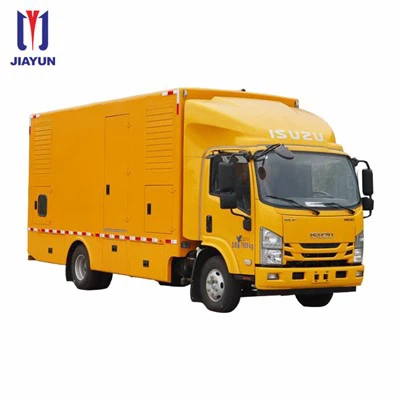
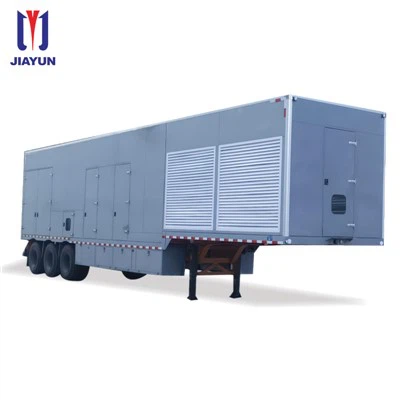
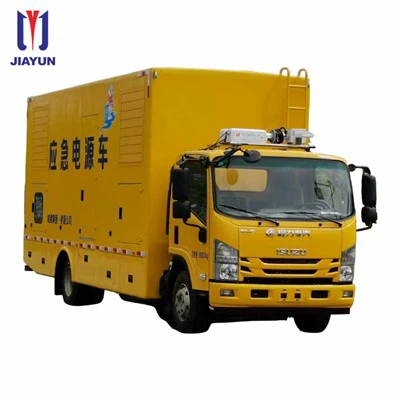
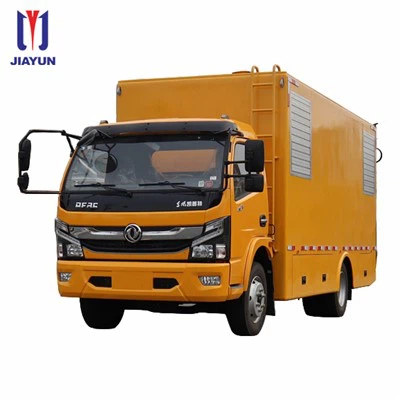
A Wireline Logging Truck is one of the most important assets in oilfield well logging and wireline intervention operations. It integrates the truck chassis, wireline winch, hydraulic system, power supply, operator cabin, and control equipment into one mobile unit, enabling efficient downhole data acquisition and well intervention services.
Because these trucks often operate in deserts, mountains, offshore bases, and other harsh environments, routine maintenance is essential for ensuring operational safety, minimizing downtime, and extending equipment life. This guide outlines the key maintenance practices that help keep a Wireline Logging Truck performing reliably in demanding oilfield conditions.
Chassis and Engine Maintenance
The chassis and engine provide the foundation for every Wireline Logging Truck. Since logging vehicles frequently travel long distances between well sites, routine engine maintenance is critical.
Engine oil and oil filters should be replaced according to the manufacturer's maintenance schedule. Air filters should be inspected frequently, especially when operating in dusty oilfields where sand and airborne particles can quickly reduce engine performance.
The cooling system also requires regular attention. Coolant levels, radiator hoses, and belts should be checked before every field deployment to prevent overheating during continuous operations.
Routine inspections of batteries, fuel filters, and electrical wiring help ensure reliable vehicle performance in remote locations.


Wireline Winch and Cable System Maintenance
The wireline winch is the core working component of a Wireline Logging Truck. Proper maintenance directly affects logging accuracy, operational efficiency, and cable safety.
Operators should inspect the wireline cable before and after every job for broken strands, corrosion, flattening, or abnormal wear. Damaged cable should never be used in downhole operations.
The winch drum should rotate smoothly without abnormal vibration or noise. Bearings, gearboxes, and lubrication points should be serviced according to the equipment manufacturer's recommendations.
The cable measuring system should also be calibrated periodically to ensure accurate depth measurements during well logging operations.
Hydraulic System Inspection
Hydraulic systems power many important functions on a Wireline Logging Truck, including the winch, boom, stabilizers, and auxiliary equipment.
Hydraulic oil levels should be checked regularly, while hoses, cylinders, and fittings should be inspected for leaks or signs of wear. Hydraulic filters should be replaced at scheduled intervals to prevent contamination from damaging sensitive components.
Maintaining clean hydraulic oil significantly improves system reliability and extends equipment service life.
Electrical and Control System Maintenance
Modern Wireline Logging Trucks rely on advanced electrical control systems to support logging operations.
Operators should inspect wiring harnesses, connectors, switches, sensors, and control panels before each project. Any loose connections or damaged cables should be repaired immediately.
If the truck includes an onboard generator, its fuel system, battery, cooling system, and output voltage should also be inspected regularly to ensure stable power for logging instruments.
Software updates and calibration of electronic control systems should be performed whenever recommended by the equipment manufacturer.
Braking, Suspension, and Steering System
Oilfield roads are often rough and uneven, placing additional stress on the truck's braking and suspension systems.
Brake pads, brake discs, and brake fluid should be inspected regularly to maintain safe stopping performance. Suspension components, including shock absorbers and leaf springs, should be checked for cracks or excessive wear.
Steering components must remain tight and responsive to ensure safe vehicle handling, especially when transporting heavy logging equipment between remote well sites.
Operator Cabin and Safety Equipment
The operator cabin serves as the control center for the Wireline Logging Truck.
All monitoring instruments, communication systems, emergency stop buttons, lighting, and air-conditioning systems should be tested before deployment.
Fire extinguishers, warning lights, grounding devices, and emergency safety equipment should always remain in good working condition to comply with oilfield safety standards.
Keeping the cabin clean also helps protect sensitive electronic logging equipment from dust and moisture.
Tire and Daily Inspection
Daily inspections can prevent unexpected failures during field operations.
Before leaving for the well site, operators should check tire pressure, tread condition, wheel nuts, fuel levels, hydraulic oil, coolant, and electrical systems.
Any unusual vibration, oil leakage, or abnormal noise should be investigated immediately before the truck enters service.
A simple daily inspection routine can greatly improve equipment reliability while reducing maintenance costs.
Why Preventive Maintenance Matters
Preventive maintenance is far more cost-effective than repairing equipment after a failure occurs. Regular inspections reduce downtime, improve operational efficiency, protect expensive logging tools, and extend the service life of the entire Wireline Logging Truck.
For oilfield service companies, a well-maintained logging truck means greater reliability, improved safety, and higher productivity on every project.
Conclusion
A Wireline Logging Truckis a long-term investment that plays a critical role in oilfield well logging operations. Maintaining the chassis, engine, wireline winch, hydraulic system, electrical controls, and safety equipment through a structured maintenance program helps maximize equipment performance and minimize unexpected downtime.
Whether you operate in onshore oilfields, desert environments, or remote exploration areas, regular preventive maintenance ensures your Wireline Logging Truck remains reliable, efficient, and ready for every logging mission.