

Hey there, fellow poultry enthusiasts! As a supplier of Poultry Feed Additives, I've been getting a lot of questions lately about whether there are differences in the absorption rate of different poultry feed additives. It's a super interesting topic, and I'm excited to share what I've learned over the years in the industry.
Let's start by understanding what poultry feed additives are. Simply put, they're substances added to poultry feed to enhance its nutritional value, improve the health of the birds, and boost their overall performance. These additives can range from vitamins and minerals to probiotics and enzymes. But the big question is, do all these additives get absorbed at the same rate? The short answer is no, and there are several factors at play.
Nutritional Composition
One of the main factors influencing the absorption rate of feed additives is their nutritional composition. For example, amino acids are the building blocks of proteins, and different amino acids have different absorption rates. Essential amino acids, which the birds can't synthesize on their own, need to be present in the feed. Methionine and lysine are two such essential amino acids that are crucial for poultry growth. Methionine is often absorbed more readily than some other amino acids because it plays a key role in various metabolic processes.
Minerals also have varying absorption rates. Calcium and phosphorus are essential for bone development in poultry. However, the form in which these minerals are present in the feed matters a lot. For instance, organic calcium sources like calcium lactate are generally more bioavailable and get absorbed at a higher rate compared to inorganic sources like calcium carbonate.
Physical Form
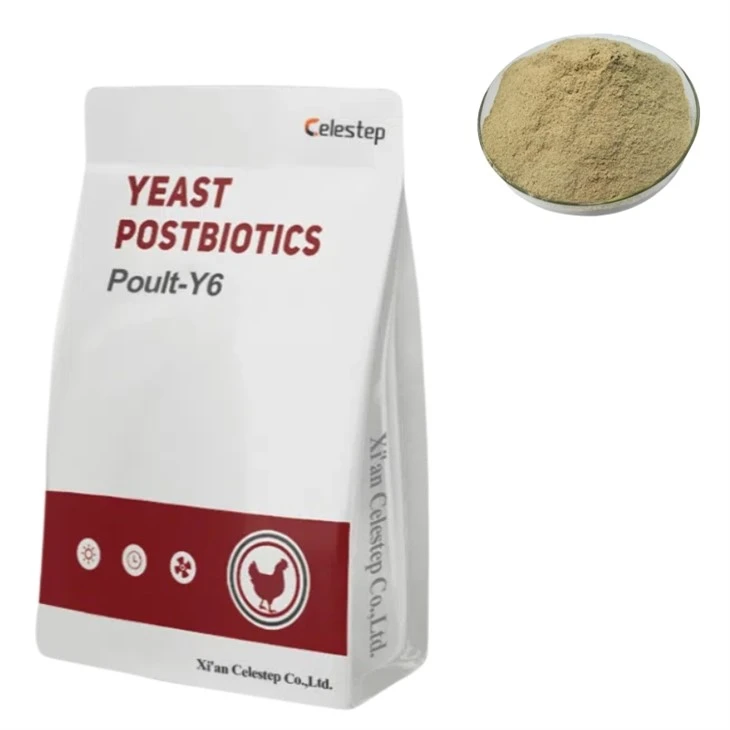
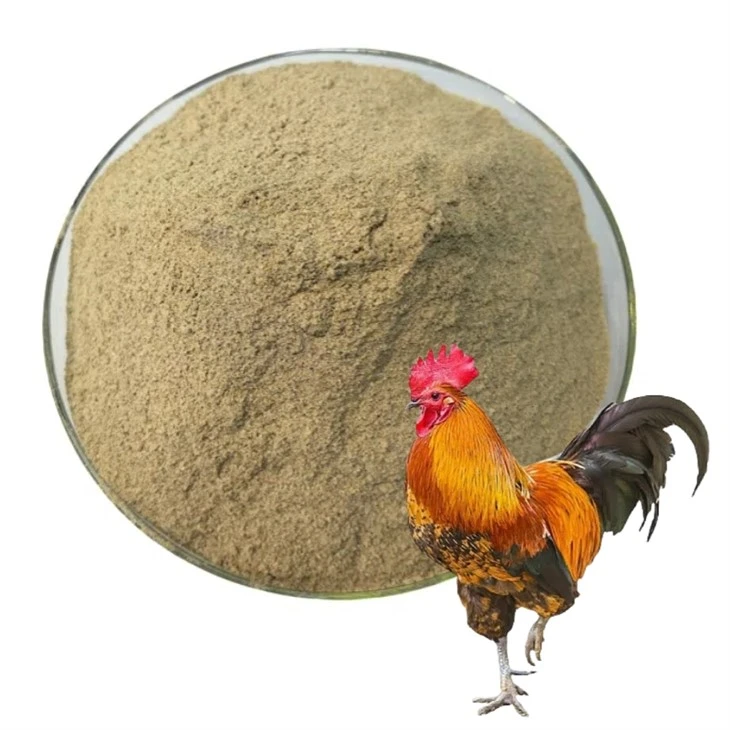
The physical form of the feed additive can significantly impact its absorption. Some additives come in powder form, while others are in liquid or granular form. Powdered additives tend to have a larger surface area, which can facilitate faster dissolution in the digestive tract and potentially lead to better absorption. However, they can also be more prone to dust formation and may not mix as evenly in the feed.
Liquid additives, on the other hand, can be easily mixed with the drinking water, ensuring that the birds consume them evenly. This can be particularly beneficial for additives that are sensitive to heat or moisture. For example, certain probiotics are more stable in liquid form and can be better absorbed when administered this way.
Interaction with Other Feed Components
Feed additives don't exist in isolation. They interact with other components in the feed, and these interactions can either enhance or inhibit their absorption. For example, some vitamins and minerals can interact with each other. Vitamin D is known to enhance the absorption of calcium. So, if you're adding calcium to the feed, it's a good idea to also include an appropriate amount of vitamin D to ensure optimal absorption.
On the flip side, some feed ingredients can bind to additives and prevent their absorption. Phytates, which are present in grains, can bind to minerals like zinc and iron, reducing their bioavailability. To overcome this, you can use phytase enzymes in the feed. These enzymes break down phytates, releasing the bound minerals and making them more available for absorption.
Poultry Species
Different poultry species have different digestive systems, which can affect the absorption rate of feed additives. Chickens, for example, have a relatively short digestive tract compared to ducks. This means that the time available for the absorption of feed additives is shorter in chickens. As a result, additives need to be formulated in a way that allows for rapid absorption in chickens.
For chickens, Brewers Yeast for Chickens is a popular feed additive. It's rich in B vitamins, amino acids, and minerals, which can help improve the overall health and performance of chickens. The yeast cells in brewers yeast are broken down relatively quickly in the chicken's digestive system, allowing for efficient absorption of the nutrients.
Ducks, on the other hand, have a more complex digestive system with a longer digestive tract. This gives them more time to break down and absorb feed additives. Brewer's Yeast for Ducks can also be beneficial for ducks. The slower digestion process in ducks allows for a more thorough breakdown of the yeast cells, potentially leading to better utilization of the nutrients.
Age and Health of the Birds
The age and health of the poultry also play a role in the absorption rate of feed additives. Young birds have a developing digestive system, which may not be as efficient at absorbing nutrients as that of adult birds. As a result, they may require additives that are more easily digestible and absorbed. For example, baby chicks may benefit from a higher concentration of easily absorbable vitamins and minerals in their feed.
Birds that are sick or stressed may also have a reduced ability to absorb feed additives. Illness can disrupt the normal functioning of the digestive system, leading to poor nutrient absorption. In such cases, it's important to provide additives that can support the immune system and improve the overall health of the birds. Probiotics are a great option in these situations as they can help restore the balance of beneficial bacteria in the gut, improving digestion and absorption.
How to Optimize Absorption
As a poultry feed additive supplier, I understand the importance of ensuring that the additives are absorbed effectively by the birds. Here are some tips to optimize the absorption rate:
- Choose the Right Additives: Select additives that are appropriate for the poultry species, age, and health status. For example, if you have laying hens, you may want to choose additives that are rich in calcium and vitamin D to support eggshell quality.
- Proper Mixing: Ensure that the feed additives are mixed evenly in the feed. This can be achieved by using a high-quality mixer and following the recommended mixing procedures. Uneven mixing can lead to some birds getting more additives than others, resulting in inconsistent performance.
- Timing of Administration: Some additives are best administered at specific times. For example, probiotics are often more effective when given in the morning on an empty stomach. This allows the beneficial bacteria to colonize the gut before the birds start eating.
- Monitor and Adjust: Regularly monitor the performance of the birds and adjust the additive levels as needed. If you notice any signs of poor growth, low egg production, or other health issues, it may be necessary to review the additive program.
Conclusion
In conclusion, there are indeed differences in the absorption rate of different poultry feed additives. These differences are influenced by factors such as nutritional composition, physical form, interaction with other feed components, poultry species, age, and health of the birds. As a poultry farmer, it's important to understand these factors and choose the right additives to ensure optimal absorption and performance of your birds.
If you're interested in learning more about our Poultry Feed Additives or have any questions about absorption rates, feel free to reach out. We're always here to help you make the best choices for your flock. Let's work together to keep your poultry healthy and productive!
References
- NRC (National Research Council). (1994). Nutrient Requirements of Poultry. National Academy Press.
- Leeson, S., & Summers, J. D. (2001). Commercial Poultry Nutrition. University Books.
- Ravindran, V., & Kornegay, E. T. (Eds.). (2006). Bioavailability of Nutrients in Feed Ingredients for Poultry and Swine. CABI.