

In the dynamic world of swine farming, the choice between swine feed supplements and traditional feed is a decision that can significantly impact the health, growth, and overall productivity of your pigs. As a supplier of Swine Feed Supplements, I've witnessed firsthand the transformative effects these supplements can have on swine herds. In this blog, we'll delve into a comprehensive comparison of swine feed supplements and traditional feed, exploring their composition, benefits, drawbacks, and cost-effectiveness.
Composition and Nutritional Value
Traditional swine feed typically consists of a blend of grains such as corn, soybeans, wheat, and barley, along with protein sources like fish meal or meat and bone meal. These feeds are formulated to provide a basic balance of carbohydrates, proteins, fats, vitamins, and minerals necessary for the growth and maintenance of pigs. However, the nutritional content of traditional feeds can vary widely depending on the quality of the ingredients and the manufacturing process.
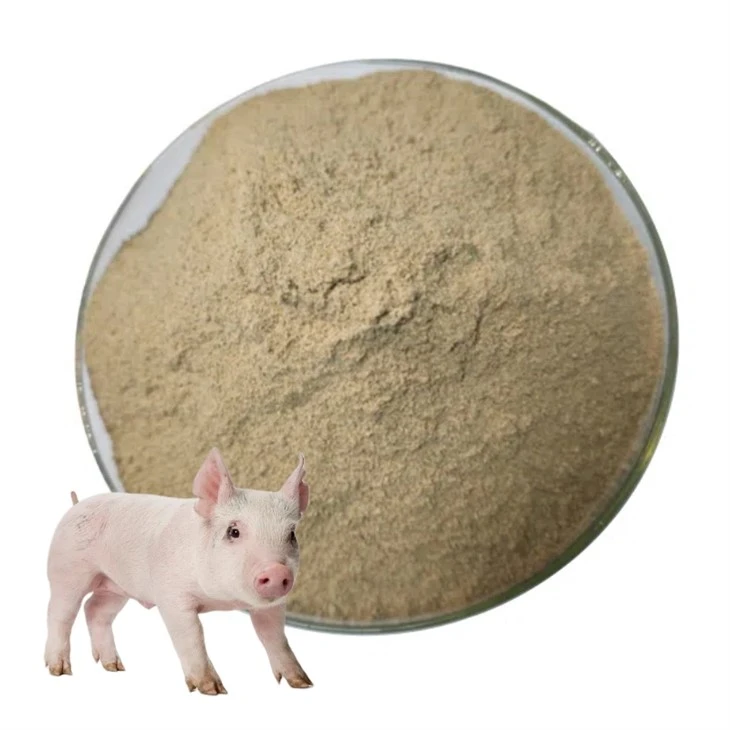
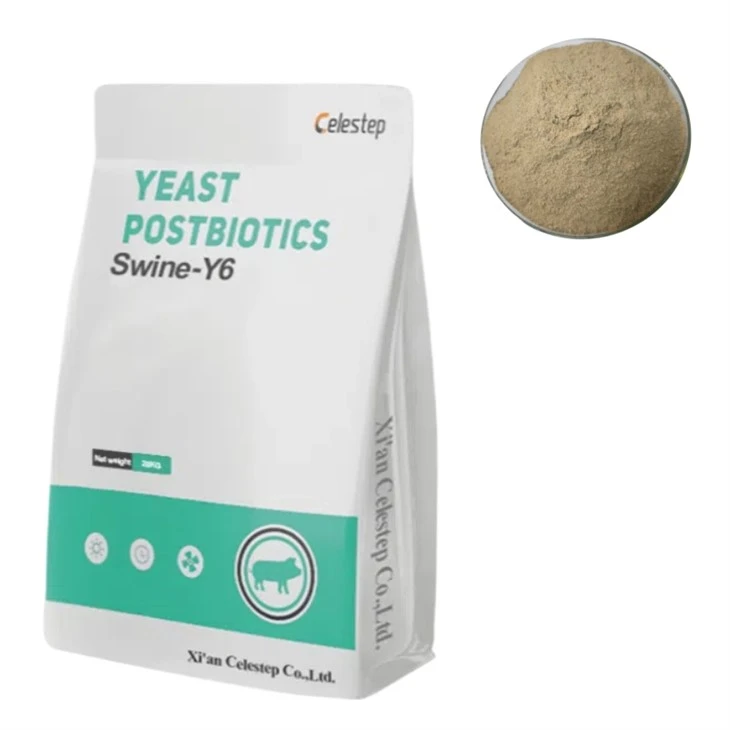
On the other hand, swine feed supplements are designed to enhance the nutritional value of traditional feeds by providing additional nutrients that may be lacking or in insufficient quantities. These supplements can include amino acids, vitamins, minerals, probiotics, prebiotics, enzymes, and antioxidants. For example, lysine and methionine are essential amino acids that are often added to swine feed supplements to improve protein utilization and growth performance. Probiotics and prebiotics can help maintain a healthy gut microbiome, improving digestion and immune function.
Benefits of Swine Feed Supplements
Improved Growth Performance
One of the primary benefits of using swine feed supplements is their ability to improve growth performance. By providing essential nutrients in the right proportions, supplements can enhance feed efficiency, resulting in faster growth rates and increased weight gain. This is particularly important in commercial swine production, where maximizing growth and minimizing feed costs are key objectives.
Enhanced Immune Function
Swine feed supplements can also play a crucial role in enhancing the immune function of pigs. Vitamins, minerals, and antioxidants such as vitamin C, vitamin E, selenium, and zinc are known to support the immune system, helping pigs to better resist diseases and infections. Probiotics and prebiotics can also help maintain a healthy gut microbiome, which is essential for a strong immune response.
Better Reproductive Performance
In addition to improving growth and immune function, swine feed supplements can also have a positive impact on reproductive performance. Supplements containing essential fatty acids, such as omega-3 and omega-6 fatty acids, can improve the fertility and litter size of sows. They can also enhance the quality of colostrum and milk, providing better nutrition for piglets during the critical early stages of life.
Reduced Environmental Impact
Swine feed supplements can also help reduce the environmental impact of swine production. By improving feed efficiency, supplements can reduce the amount of feed required per unit of weight gain, resulting in lower feed costs and less manure production. Additionally, some supplements, such as enzymes and probiotics, can help improve the digestibility of feed, reducing the amount of nutrients excreted in manure and minimizing the risk of environmental pollution.
Drawbacks of Swine Feed Supplements
Higher Cost
One of the main drawbacks of using swine feed supplements is their higher cost compared to traditional feed. Supplements are typically more expensive to produce and purchase, which can increase the overall cost of swine production. However, it's important to consider the potential benefits of using supplements, such as improved growth performance, enhanced immune function, and better reproductive performance, when evaluating their cost-effectiveness.
Potential for Over-Supplementation
Another potential drawback of using swine feed supplements is the risk of over-supplementation. If supplements are not used correctly or in the right amounts, they can lead to an imbalance of nutrients in the diet, which can have negative effects on the health and performance of pigs. It's important to work with a qualified nutritionist or veterinarian to develop a balanced feeding program that takes into account the specific nutritional needs of your pigs.
Cost-Effectiveness
When comparing the cost-effectiveness of swine feed supplements and traditional feed, it's important to consider the overall impact on the profitability of your swine operation. While supplements may be more expensive upfront, they can provide significant benefits in terms of improved growth performance, enhanced immune function, and better reproductive performance, which can ultimately lead to higher profits.
To determine the cost-effectiveness of using swine feed supplements, it's important to conduct a cost-benefit analysis. This involves comparing the cost of using supplements to the potential benefits, such as increased weight gain, improved feed efficiency, and reduced mortality rates. You can also consider the long-term benefits of using supplements, such as improved herd health and productivity, which can have a positive impact on the sustainability of your swine operation.
Conclusion
In conclusion, the choice between swine feed supplements and traditional feed depends on a variety of factors, including the specific nutritional needs of your pigs, the goals of your swine operation, and the cost-effectiveness of using supplements. While traditional feed can provide a basic balance of nutrients, swine feed supplements can offer significant benefits in terms of improved growth performance, enhanced immune function, better reproductive performance, and reduced environmental impact.
As a supplier of Swine Feed Supplements, I'm committed to providing high-quality products that meet the specific nutritional needs of your pigs. If you're interested in learning more about our Hog Feed Supplements or would like to discuss your swine feeding program, please don't hesitate to contact us. We'd be happy to help you make an informed decision about the best feed options for your swine herd.
References
- National Research Council. (2012). Nutrient Requirements of Swine (11th Rev. ed.). The National Academies Press.
- Stein, H. H., & Kil, D. Y. (2019). Amino acid requirements of pigs. Animal Feed Science and Technology, 253, 114338.
- Timmerman, H. M., Verstegen, M. W. A., & Williams, B. A. (2006). Manipulation of the gut microbiota in piglets to improve health and performance. Animal Feed Science and Technology, 125(1-2), 161-178.