

As an aquaculture supplier, I've witnessed firsthand the challenges that fish farmers face, with fish escapes being one of the most pressing issues. Fish escapes not only result in direct economic losses but also pose potential ecological risks to the surrounding environment. In this blog, I'll share some effective strategies to prevent fish escapes in aquaculture based on my years of experience and industry knowledge.
Select High - Quality Aquaculture Equipment
One of the fundamental steps in preventing fish escapes is to invest in high - quality aquaculture equipment. Nets are the primary barrier between the fish and the outside environment. When choosing nets, consider the mesh size, material, and strength. The mesh size should be appropriate for the size of the fish being farmed. If the mesh is too large, small fish may escape; if it's too small, it can impede water flow, leading to poor water quality.

For example, for juvenile fish, a finer mesh net is required. As the fish grow, you may need to replace the nets with a larger mesh size to ensure proper water circulation. High - strength materials such as polyethylene or nylon are commonly used for nets due to their durability and resistance to abrasion.
In addition to nets, other equipment like cages and pens also need to be of good quality. Regularly inspect these structures for any signs of damage, such as holes, tears, or weak spots. Replace or repair damaged parts immediately to prevent fish from finding an escape route.
Maintain a Secure Infrastructure
A well - maintained infrastructure is crucial for preventing fish escapes. This includes the physical structures of the aquaculture site, such as the shoreline, docks, and mooring systems. Make sure that the shoreline is properly reinforced to prevent erosion, which could undermine the stability of the aquaculture facilities.
Docks and platforms should be sturdy and in good repair. Check for loose boards, rusty bolts, or any other structural issues that could pose a risk. Mooring systems, which hold the cages or pens in place, need to be regularly inspected and maintained. Ensure that the anchors are heavy enough and properly set to withstand strong currents and storms.
Implement Strict Biosecurity and Monitoring Measures
Biosecurity is not only about preventing the introduction of diseases but also plays a role in preventing fish escapes. Establish a strict access control system for the aquaculture site. Limit access to authorized personnel only and require them to follow proper biosecurity protocols, such as disinfecting equipment and clothing before entering the site.
Continuous monitoring is essential to detect any potential fish escape incidents early. Install underwater cameras in the cages or pens to monitor the fish population and the condition of the nets. These cameras can provide real - time footage, allowing you to quickly identify any signs of damage or abnormal behavior among the fish.
In addition to visual monitoring, you can also use sensors to detect changes in water quality, temperature, and pressure. Unusual changes in these parameters may indicate a problem with the aquaculture system, such as a breach in the net or a sudden influx of water.
Provide Adequate Nutrition
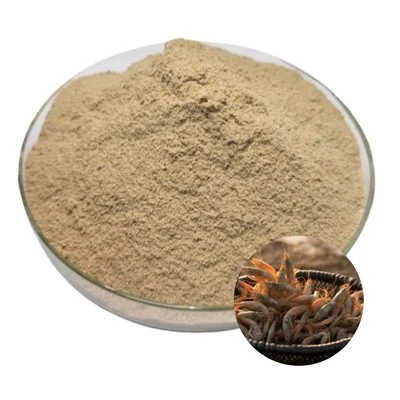
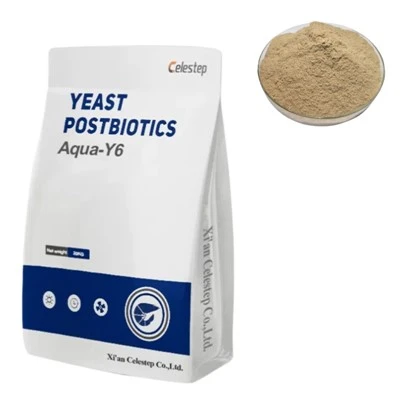
Proper nutrition is key to keeping fish healthy and reducing their tendency to escape. High - quality feed can enhance the fish's immune system, growth rate, and overall well - being. As an aquaculture supplier, I recommend using Feed Additives for Fish to improve the nutritional value of the feed.
Feed additives can provide essential vitamins, minerals, and amino acids that may be lacking in the basic feed formulation. For example, Yeast Hydrolysate Supplement is a great option as it contains a rich source of proteins, peptides, and nucleotides. These nutrients can improve the fish's digestion, metabolism, and stress resistance, making them less likely to attempt to escape in search of better food sources.

Train and Educate Staff
Your staff is on the front line of aquaculture operations, so it's important to train and educate them on fish escape prevention. Provide comprehensive training on the proper use and maintenance of aquaculture equipment, including net installation, cage inspection, and equipment repair.
Teach them to recognize the signs of potential fish escape risks, such as changes in fish behavior, water quality, or equipment damage. Encourage them to report any concerns immediately so that prompt action can be taken. Regularly review and update the training programs to ensure that the staff is aware of the latest industry best practices.
Respond Quickly to Emergencies
Despite all the preventive measures, emergencies can still happen. It's crucial to have an emergency response plan in place. The plan should include procedures for quickly identifying and containing fish escapes, as well as notifying the relevant authorities if necessary.
In the event of a fish escape, immediately assess the situation to determine the extent of the problem. Try to contain the escaped fish as quickly as possible by using barriers or nets. If the escape is significant, you may need to work with local environmental agencies to minimize the ecological impact.

Conclusion
Preventing fish escapes in aquaculture is a multi - faceted challenge that requires a combination of high - quality equipment, proper infrastructure maintenance, strict monitoring, adequate nutrition, well - trained staff, and effective emergency response. By implementing these strategies, fish farmers can significantly reduce the risk of fish escapes, protect their economic interests, and contribute to the sustainable development of the aquaculture industry.
If you're interested in learning more about our aquaculture products or need advice on preventing fish escapes, we're here to help. Contact us to start a procurement discussion and explore how we can work together to improve your aquaculture operations.

References
- Subasinghe, R. P., Phillips, M. J., & Bhathal, A. (Eds.). (2009). World Aquaculture Society (WAS) Conference Proceedings.
- FAO. (2020). The State of World Fisheries and Aquaculture 2020. Rome: FAO.
- Nash, R. W., & Geffen, A. J. (2005). Fish escapes from marine aquaculture: problems, perspectives and priorities. ICES Journal of Marine Science, 62(7), 1119 - 1131.