

Hey there! As an aquaculture supplier, I've seen firsthand the amazing potential that lies within the aquaculture industry. In this blog post, I'm going to dive into the various investment opportunities in aquaculture and why you should consider jumping on board.
The Growth of Aquaculture
First off, let's talk about why aquaculture is such a hot topic right now. The demand for seafood is sky - rocketing. With the global population expected to reach nearly 10 billion by 2050, the need for sustainable protein sources is more crucial than ever. Wild fish stocks are being overfished, and aquaculture offers a solution. It's estimated that by 2030, aquaculture will supply more than half of the fish consumed globally. This growth trend shows no signs of slowing down, making it a prime area for investment.
Different Types of Aquaculture Investment Opportunities
Fish Farming
Fish farming is one of the most common forms of aquaculture. You can invest in the farming of various fish species, such as salmon, tilapia, and catfish. Salmon, for example, is a high - value fish with a strong market demand. It requires a bit more specialized infrastructure and care, but the returns can be significant.
Tilapia, on the other hand, is a hardy fish that can adapt to different environmental conditions. It's also relatively easy to farm, which makes it a great option for new investors. You can start small with a pond - based tilapia farm and gradually expand as you gain more experience.
Shellfish Farming
Shellfish farming, including oysters, mussels, and clams, is another lucrative investment opportunity. These shellfish are filter - feeders, which means they clean the water as they grow. This makes shellfish farming an environmentally friendly option.
Oysters are in high demand, especially in the culinary world. They're relatively easy to farm in coastal areas, and you don't need a large amount of space. Mussels can be grown on ropes or rafts, and they have a fast growth rate, allowing for quick returns on investment.
Seaweed Farming
Seaweed farming is a rising star in the aquaculture industry. Seaweed has a wide range of uses, from food products to biofuels and fertilizers. It's also a great carbon sink, helping to mitigate the effects of climate change.
Investing in seaweed farming can be a sustainable and profitable venture. There are different species of seaweed that can be farmed, each with its own market niche. For example, nori is widely used in Japanese cuisine, while kelp is used in a variety of health products.
Value - Added Products in Aquaculture
It's not just about farming the fish and shellfish themselves. There are also many opportunities in the production of value - added products.
Feed Production
One of the key aspects of successful aquaculture is providing high - quality feed. As an aquaculture supplier, I know how important it is to have the right feed for different species. Investing in feed production can be a smart move. You can develop specialized feeds that are tailored to the nutritional needs of specific fish or shellfish.
Check out our Feed Additives for Fish. These additives can enhance the growth, health, and immune system of the fish, making them more valuable in the market.
Nutritional Supplements
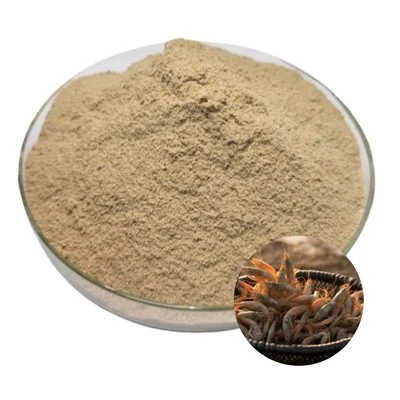
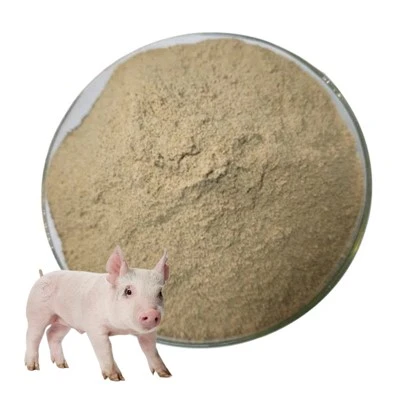
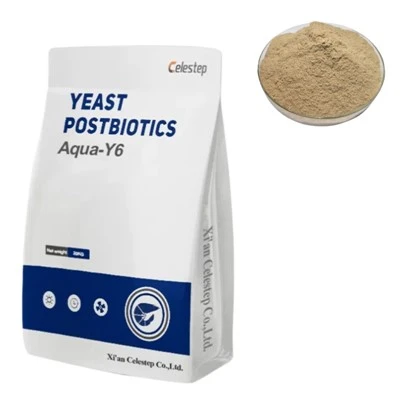
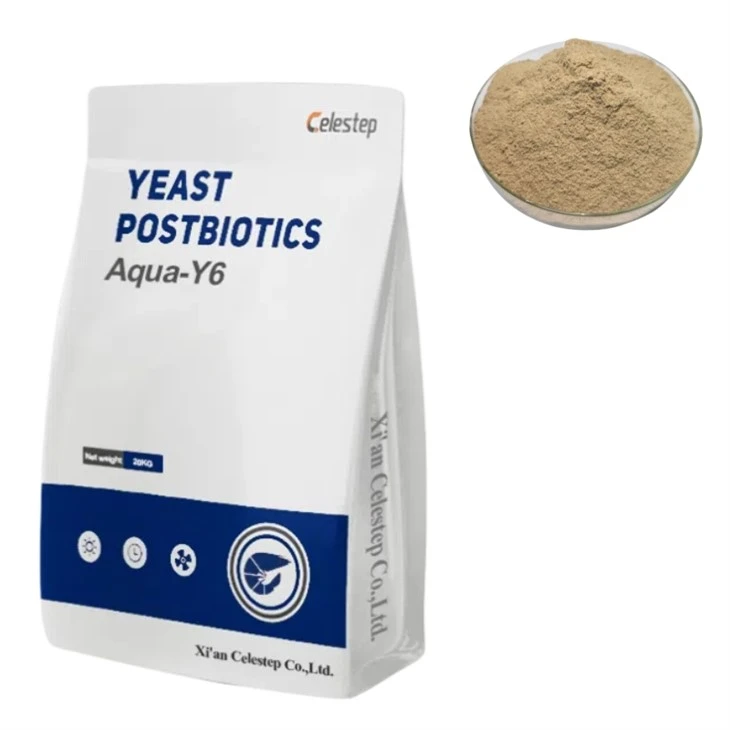
Another area of opportunity is the production of nutritional supplements. Yeast Hydrolysate Supplement is a great example. It can be added to fish feed to improve the digestibility and nutrient uptake of the fish. This not only benefits the health of the fish but also reduces the environmental impact of aquaculture by minimizing waste.
Technological Advancements in Aquaculture
Technology is playing an increasingly important role in aquaculture. Investing in aquaculture technology can give you a competitive edge in the market.
Aquaculture Automation
Automation systems can help reduce labor costs and improve the efficiency of aquaculture operations. For example, automated feeding systems can ensure that the fish are fed the right amount of food at the right time. Water quality monitoring systems can continuously monitor the temperature, oxygen levels, and pH of the water, allowing for quick adjustments if necessary.
Recirculating Aquaculture Systems (RAS)
RAS is a closed - loop system that recirculates and treats water, reducing the need for large amounts of fresh water. This technology is more sustainable and allows for year - round production in a controlled environment. Investing in RAS can be a bit more capital - intensive, but it offers long - term benefits in terms of water conservation and higher production yields.
Challenges and Risks in Aquaculture Investment
Of course, like any investment, aquaculture comes with its own set of challenges and risks.
Disease Outbreaks
Disease can spread quickly in aquaculture facilities, leading to significant losses. It's important to invest in proper biosecurity measures, such as regular health checks, quarantine procedures, and vaccination programs.
Environmental Regulations
Aquaculture is subject to various environmental regulations. These regulations are in place to protect the environment and ensure the sustainability of the industry. As an investor, you need to be aware of these regulations and make sure your operations comply with them.
Market Volatility
The market for seafood can be volatile. Factors such as changes in consumer preferences, global economic conditions, and trade policies can affect the price and demand for aquaculture products. It's important to do your research and have a diversified investment strategy to mitigate these risks.
Why You Should Consider Investing in Aquaculture
Despite the challenges, the potential rewards of investing in aquaculture are substantial. It's a growing industry with a high demand for products. By investing in aquaculture, you're not only contributing to meeting the global demand for seafood but also promoting sustainable food production.
If you're interested in learning more about the investment opportunities in aquaculture or if you're looking to source high - quality aquaculture products, I'd love to have a chat. Whether you're a seasoned investor or just starting out, there's a place for you in this exciting industry.
Get in touch with me, and we can discuss how you can get involved in aquaculture investment and procurement. Let's work together to make the most of the opportunities in this dynamic field.
References
- FAO. (2020). The State of World Fisheries and Aquaculture 2020. Sustainability in Action.
- World Bank. (2013). The Sunken Billions Revisited: Progress and Challenges in Global Marine Fisheries.
- National Oceanic and Atmospheric Administration (NOAA). Aquaculture in the United States.