

Vitamins play a crucial and multi - faceted role in poultry nutrition. As a poultry supplier, I have witnessed firsthand the impact of proper vitamin intake on the health, growth, and productivity of poultry. In this blog, I will delve into the significance of various vitamins in poultry diets and how they contribute to the overall well - being of these birds.
Vitamin A
Vitamin A is an essential fat - soluble vitamin for poultry. It is vital for maintaining good vision, especially in low - light conditions. Poultry with a deficiency of vitamin A may experience night blindness, which can affect their ability to forage and avoid predators in natural or semi - natural environments.
In addition to its role in vision, vitamin A is crucial for the development and maintenance of epithelial tissues. These tissues line the respiratory, digestive, and reproductive tracts. A sufficient supply of vitamin A helps to keep these tissues healthy and functioning properly, reducing the risk of infections. For example, in the respiratory tract, healthy epithelial tissues act as a barrier against pathogens such as bacteria and viruses.
Moreover, vitamin A is involved in bone development. It plays a part in the regulation of bone growth and remodeling, ensuring that the skeletal system of poultry develops correctly. This is particularly important for fast - growing broilers, where proper bone development is essential to support their rapid weight gain. As a poultry supplier, I always ensure that the feed we provide contains an adequate amount of vitamin A to promote the long - term health of the birds.
Vitamin D
Vitamin D is another fat - soluble vitamin that is of great importance in poultry nutrition. Its primary function is to regulate calcium and phosphorus metabolism. In poultry, calcium and phosphorus are essential for bone formation, eggshell production in laying hens, and proper muscle function.
Poultry can synthesize vitamin D when their skin is exposed to sunlight. However, in modern poultry production systems, where birds are often raised indoors, supplementation of vitamin D in the feed becomes necessary. A deficiency of vitamin D can lead to rickets in young birds, characterized by weak and deformed bones. In laying hens, a lack of vitamin D can result in thin - shelled or soft - shelled eggs, which can lead to significant losses in egg production.
By providing an appropriate amount of vitamin D in the feed, we can ensure that the calcium and phosphorus are properly absorbed and utilized by the birds. This not only improves bone health but also enhances the quality of eggs produced by laying hens. Our [Chicken Feed Additives](/poultry - s/chicken - feed - additives.html) often include vitamin D supplements to meet the nutritional needs of different types of poultry.
Vitamin E
Vitamin E is a powerful antioxidant in poultry nutrition. It helps to protect cell membranes from oxidative damage caused by free radicals. Oxidative stress can occur due to various factors such as environmental stressors, diseases, and the metabolism of nutrients.
In poultry, vitamin E has several important functions. It enhances the immune system, making the birds more resistant to diseases. A strong immune system is essential for the survival and productivity of poultry, especially in intensive farming systems where birds are more likely to be exposed to pathogens.
Vitamin E also plays a role in improving the quality of meat and eggs. It helps to prevent the oxidation of fats in these products, which can lead to off - flavors and a shorter shelf - life. As a poultry supplier, I understand the importance of providing feed with an adequate amount of vitamin E to ensure that the end - products we offer are of high quality.
Vitamin K
Vitamin K is involved in blood clotting in poultry. It is necessary for the synthesis of several clotting factors in the liver. A deficiency of vitamin K can result in excessive bleeding, which can be fatal for the birds.
In addition to its role in blood clotting, vitamin K may also have other functions in poultry, such as bone metabolism. Although more research is needed in this area, it is clear that maintaining an appropriate level of vitamin K in the diet is essential for the overall health of poultry. We include vitamin K in our [Feed Additives in Poultry](/poultry - s/feed - additives - in - poultry.html) to ensure that the birds have proper blood - clotting mechanisms and potentially support other physiological processes.
Water - Soluble Vitamins
Vitamin B Complex
The vitamin B complex consists of several vitamins, including thiamine (B1), riboflavin (B2), niacin (B3), pantothenic acid (B5), pyridoxine (B6), biotin (B7), folic acid (B9), and cobalamin (B12). Each of these vitamins has specific functions in poultry nutrition.
Thiamine is involved in carbohydrate metabolism. It is essential for the proper functioning of the nervous system in poultry. A deficiency of thiamine can lead to neurological disorders, such as polyneuritis, which can affect the bird's ability to walk and coordinate its movements.
Riboflavin is important for energy production and growth. It is involved in many enzymatic reactions in the body. A lack of riboflavin can result in poor growth, leg problems, and reduced egg production in laying hens.
Niacin is required for the synthesis of coenzymes involved in energy metabolism. It also plays a role in maintaining healthy skin and feathers in poultry. Deficiencies can lead to skin lesions and poor feather quality.

Pantothenic acid is necessary for the synthesis of coenzyme A, which is involved in many metabolic pathways, including the metabolism of carbohydrates, fats, and proteins. A deficiency can cause poor growth, skin problems, and reduced egg production.
Pyridoxine is involved in amino acid metabolism and the synthesis of neurotransmitters. It is important for the normal functioning of the nervous system and the immune system.
Biotin is essential for the metabolism of carbohydrates, fats, and proteins. It also plays a role in maintaining healthy skin, feathers, and claws in poultry. Deficiencies can lead to dermatitis and problems with feather and claw development.
Folic acid is involved in DNA synthesis and cell division. It is particularly important for the growth and development of embryos in eggs. A deficiency can result in poor hatchability and skeletal abnormalities in chicks.
Cobalamin is required for the metabolism of amino acids and fatty acids. It is also important for the normal functioning of the nervous system. A lack of cobalamin can lead to pernicious anemia and neurological disorders in poultry.
As a poultry supplier, we carefully formulate our feed to ensure that it contains an appropriate balance of all the B - complex vitamins to meet the diverse nutritional needs of poultry at different stages of growth and production.
Vitamin C
Although poultry can synthesize vitamin C in their bodies, under certain stress conditions such as high temperatures, disease, or overcrowding, the demand for vitamin C may increase. Vitamin C is an antioxidant that helps to reduce oxidative stress and enhance the immune system.
Supplementing the diet with vitamin C during stressful periods can improve the birds' ability to cope with these challenges. It can also have a positive impact on egg production and quality in laying hens. We sometimes recommend the addition of vitamin C in our feed, especially during periods of environmental stress, to support the health and productivity of the poultry.
Importance of Proper Vitamin Supplementation
Proper vitamin supplementation is crucial for the success of poultry production. A balanced diet that contains all the necessary vitamins in the right amounts can lead to several benefits.
Firstly, it improves the health of the birds. Birds with adequate vitamin intake are more resistant to diseases, have better immune function, and are less likely to develop nutritional disorders. This reduces the need for antibiotics and other medications, which is not only beneficial for the health of the birds but also for the environment and consumer health.
Secondly, it enhances growth and productivity. Poultry that receive the right amount of vitamins grow faster, reach market weight earlier, and produce more eggs. This increases the profitability of poultry farms.
Finally, it improves the quality of poultry products. Meat and eggs from well - nourished birds have better flavor, texture, and nutritional value. This makes our products more appealing to consumers.
Using Brewers Yeast as a Vitamin Source
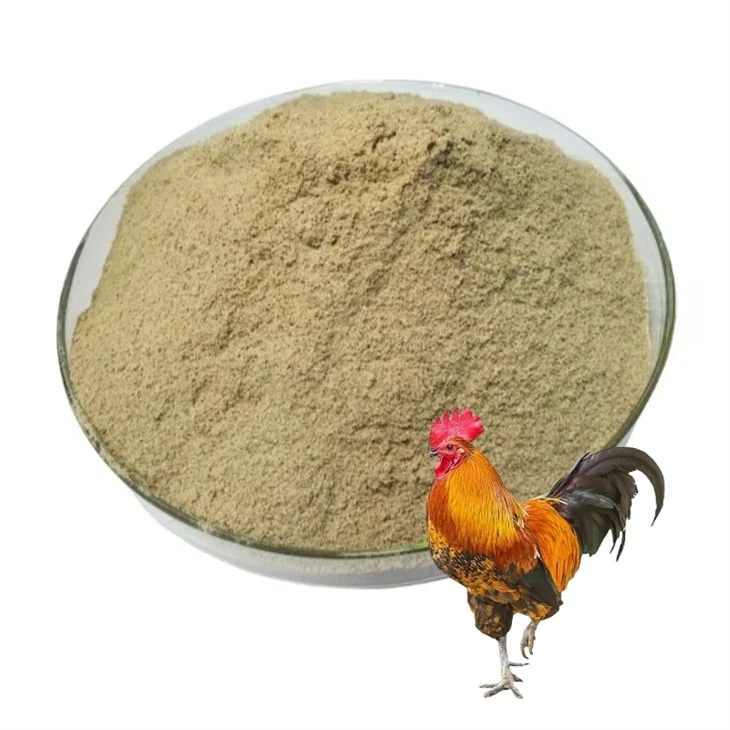
[Brewers Yeast for Chickens](/poultry - s/brewers - yeast - for - chickens.html) is a natural and rich source of many vitamins, especially the B - complex vitamins. It can be used as a feed additive in poultry diets. Brewers yeast not only provides essential vitamins but also contains other nutrients such as proteins, minerals, and amino acids.
Adding brewers yeast to the feed can improve the overall nutritional value of the diet. It can enhance the growth and health of the birds, as well as the quality of the eggs and meat produced. As a poultry supplier, we often recommend brewers yeast as a natural and cost - effective way to supplement the vitamin intake of poultry.
Conclusion
In conclusion, vitamins play a vital role in poultry nutrition. Each vitamin has specific functions that contribute to the health, growth, and productivity of poultry. As a poultry supplier, I am committed to providing high - quality feed that contains all the necessary vitamins in the right amounts.
If you are interested in purchasing our poultry products or discussing the nutritional requirements of your poultry, I encourage you to reach out for a procurement negotiation. By working together, we can ensure that your poultry receive the best possible nutrition and that you achieve optimal results in your poultry production.
References
- National Research Council. (1994). Nutrient Requirements of Poultry. National Academy Press.
- Leeson, S., & Summers, J. D. (2005). Poultry Feeding and Nutrition. Pearson Prentice Hall.
- McDowell, L. R. (2000). Vitamins in Animal Nutrition. Academic Press.